


Does pediatric pneumonia always cause fever?
Sep 13, 2022
Source: Cainiu Health

Dr. Xie Zixing
Introduction
Children with pneumonia usually have a fever. Pediatric pneumonia is primarily caused by viral infections or prolonged exposure to dusty environments. In the early stages, children may experience symptoms such as coughing, phlegm production, lethargy, or weakness. After diagnosis of pneumonia, anti-inflammatory medications can be used under a doctor's guidance to relieve symptoms. If coughing and phlegm are severe, cough suppressants and expectorants may also be used concurrently.
During the growth process, babies often experience various abnormal symptoms, and illness is a common occurrence. There are many types of diseases, for example, pneumonia is a frequently seen condition that easily affects infants. So, does pediatric pneumonia always come with fever?
Does Pediatric Pneumonia Always Involve Fever?
Pediatric pneumonia usually involves fever. Childhood pneumonia is primarily caused by viral infections or prolonged exposure to dusty environments. In the early stages, children may exhibit symptoms such as coughing, phlegm production, poor精神 state, or weakness. After diagnosis, anti-inflammatory medications can be used under a doctor's guidance to relieve symptoms. If coughing and phlegm are severe, cough suppressants and expectorants may also be used. It's important to drink plenty of fluids during illness.
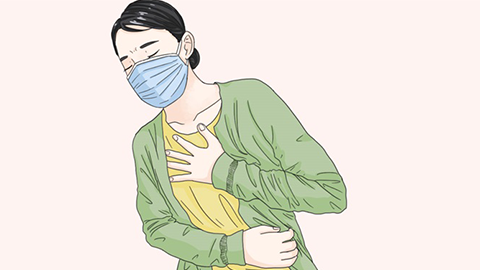
Pediatric pneumonia is an infectious disease caused by pathogens such as bacteria, chlamydia, or viruses. When these microorganisms invade the lungs, the body triggers an immune response, which often leads to fever in infants. Fever is one of the typical symptoms of pneumonia, with body temperature reaching 38°C–39°C, or even around 40°C. However, if the infant has a strong immune system or the pathogen has low virulence, the fever may not be obvious. In cases of pneumonia caused by mycoplasma, fever typically does not occur. Nevertheless, mycoplasma-induced pneumonia might be more severe and could potentially lead to hypothermia, coma, or even respiratory failure.

It’s important to maintain proper humidity and temperature levels in the child’s bedroom, as air quality significantly affects oxygen deficiency in affected children. We hope this information is helpful to you. Wishing you good health and happiness.




