What should I do about bilateral carotid artery hardening?
Sep 13, 2022
Source: Cainiu Health

Dr. Li Man
Introduction
Bilateral carotid atherosclerosis can be treated with both non-surgical and surgical approaches. Bilateral carotid atherosclerosis is a condition caused by narrowing or occlusion of the bilateral carotid arteries. Its exact cause is unknown but may be associated with conditions such as hypertension and diabetes. Following the onset of bilateral carotid atherosclerosis, atherosclerotic plaques may develop on this basis.
Arteriosclerosis itself is a systemic disease that more commonly occurs in the elderly and is a clear manifestation of arterial aging. As arteriosclerosis progresses, arterial stenosis or even occlusion may develop. Whether it results in arterial narrowing or tumor-like dilation, the final outcomes can be relatively severe. So, what should be done about bilateral carotid arteriosclerosis?
What to Do About Bilateral Carotid Arteriosclerosis
Bilateral carotid arteriosclerosis can be managed through both non-surgical and surgical treatments. Bilateral carotid atherosclerosis is a condition caused by narrowing or blockage of the carotid arteries on both sides; its exact cause remains unclear but may be associated with conditions such as hypertension and diabetes. After bilateral carotid atherosclerosis develops, atherosclerotic plaques may form, leading to narrowing of the corresponding blood vessel lumen and insufficient blood supply. Subsequently, when the volume of atherosclerotic plaques significantly increases and hemorrhage or plaque rupture occurs within the plaque, numerous small emboli may easily form, triggering cerebral embolism.
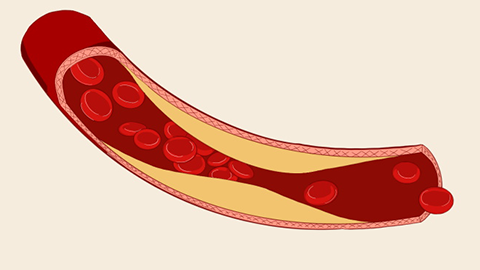
For non-surgical management, patients must quit smoking and alcohol consumption, eat light foods, and avoid spicy foods. Regular moderate exercise helps improve blood circulation, prevents carotid blood stasis, and controls hypertension, hyperglycemia, and hyperlipidemia. It is recommended to take oral statins under a doctor's guidance, which effectively reduce triglyceride and cholesterol levels in the blood. For patients whose plaques cause more than 70% lumen stenosis or who present clinical symptoms, carotid endarterectomy is recommended. This procedure effectively removes plaques and the inner lining of the artery, restoring the carotid lumen, followed by antiplatelet therapy after surgery.
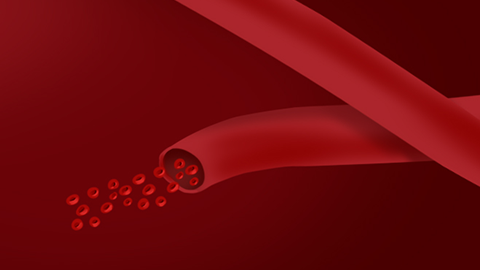
In daily life, maintain a regular diet, avoid spicy and irritating foods, refrain from overeating, and prevent staying up late. We hope this information is helpful to you. Wishing you good health and a happy life.