


Treatment protocol for acute hypertension
Sep 13, 2022
Source: Cainiu Health

Dr. Tian Hongbo
Introduction
Acute hypertension, also known as hypertensive emergency, refers to a sudden and significant elevation in blood pressure—typically exceeding 180/120 mmHg—in patients with primary or secondary hypertension due to certain triggering factors. This condition can cause acute damage to vital target organs such as the heart, brain, and kidneys, and may even pose a severe threat to life. Hypertensive emergencies include hypertensive encephalopathy, intracranial hemorrhage, cerebral infarction, and others.
If a person suffers from long-term hypertension that is not effectively controlled, it may lead to an acute episode. What then is the treatment plan for acute hypertension?
Treatment Plan for Acute Hypertension
Acute hypertension, also known as hypertensive emergency, occurs in patients with primary or secondary hypertension when certain triggers cause a sudden and significant rise in blood pressure—typically exceeding 180/120 mmHg. This condition can cause acute damage to vital target organs such as the heart, brain, and kidneys, and may even pose a severe threat to life. Hypertensive emergencies include hypertensive encephalopathy, intracranial hemorrhage, cerebral infarction, acute heart failure, pulmonary edema, acute coronary syndrome, aortic dissection, and eclampsia. Immediate antihypertensive treatment is required to prevent further organ damage. Blood pressure, urine output, and vital signs must be closely monitored. Short-acting intravenous antihypertensive drugs should be administered based on clinical conditions to maximally prevent and reduce target organ damage.
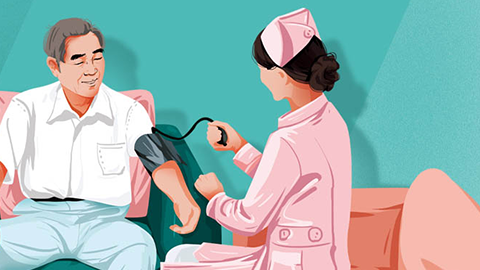
Acute hypertension, or hypertensive emergency, refers to a condition in which a hypertensive patient experiences a sudden and dramatic increase in blood pressure—exceeding 180/120 mmHg—accompanied by acute impairment of critical target organs such as the heart, brain, and kidneys, thereby endangering life.
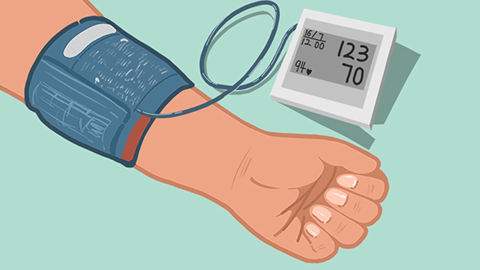
In cases of acute hypertension, immediate medical attention is necessary to prevent life-threatening complications. I hope this response has been helpful to you. Wishing you good health and happiness!





