


Early symptoms of primary liver cancer
Dec 29, 2022
Source: Cainiu Health

Dr. Jin Zhongkui
Introduction
Important early manifestations of primary liver cancer are generally atypical. Most patients with early-stage liver cancer have no symptoms, while some may experience loss of appetite, abdominal distension, nausea, vomiting, or diarrhea—symptoms that are not particularly characteristic. Pain in the liver area, hepatomegaly, jaundice, or an abdominal mass usually indicate advanced liver cancer. Early-stage liver cancer is primarily detected through outpatient follow-up and regular surveillance examinations.
For any disease, early detection and early treatment are essential to achieve optimal therapeutic outcomes—especially for conditions like cancer. What are the early symptoms of primary liver cancer?
Early Symptoms of Primary Liver Cancer
The important early manifestations of primary liver cancer are generally atypical. Most patients with early-stage liver cancer do not experience any noticeable symptoms. Some individuals may develop non-specific symptoms such as loss of appetite, abdominal bloating, nausea, vomiting, or diarrhea, but these are not highly characteristic. If a patient experiences pain in the liver area, liver enlargement, jaundice, or an abdominal mass, the cancer is likely already in an advanced stage.
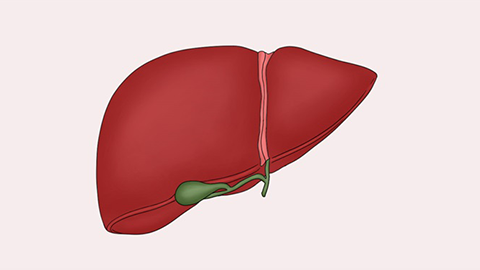
Therefore, detecting liver cancer in its early stages mainly relies on regular outpatient follow-ups and periodic checkups—particularly for patients with hepatitis B, who are at high risk for developing liver cancer. If you have hepatitis B, it is recommended to undergo liver and gallbladder ultrasound, alpha-fetoprotein (AFP), hepatitis B DNA, and liver function tests every six months.
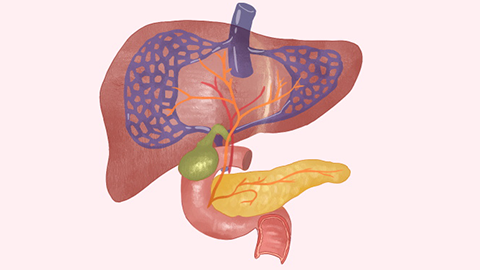
Surgery remains the first-line and most effective treatment for liver cancer, especially in early-stage cases. Surgical options include curative hepatic resection and palliative hepatic resection. For unresectable liver cancers, treatments such as intraoperative hepatic artery ligation, transarterial chemoembolization (TACE), radiofrequency ablation, cryotherapy, laser therapy, and microwave therapy can be effective depending on the individual case. Patients should also strive to maintain a positive and cheerful mood in daily life. We hope this information has been helpful. Wishing you good health and happiness!





