Rehabilitation Nursing for Fractures
Dec 29, 2022
Source: Cainiu Health

Dr. Lin Yunfei
Introduction
Common aspects of care during bone recovery include: diet-wise, according to traditional Chinese practice after fracture surgery, patients often consume bone soup, which is rich in calcium and phosphorus. If tendons have not yet healed, traditional Chinese medicine encourages eating tendon-rich foods such as chicken feet jelly or pig's trotter tendons. It is also recommended to minimize exposure to cold water and avoid washing directly with cold water.
In daily life, if a fracture occurs, proper rehabilitation and care are essential for recovery.
Fracture Rehabilitation and Care
There are several common aspects to bone rehabilitation care. In terms of diet, according to traditional Chinese practices, people often consume bone soup after a fracture. This is because foods rich in calcium and phosphorus support healing. If tendons have not yet recovered, traditional Chinese medicine often recommends eating tendon-rich foods such as chicken feet stew or pig's trotter tendons. Regarding warmth and protection, from the perspective of traditional Chinese medicine, trauma damages the body's internal energy channels (qi), weakening them and making one more susceptible to external pathogens like wind and dampness. Therefore, during recovery, avoid exposing the injured area directly to air conditioning drafts, minimize contact with cold water, and refrain from washing with cold water directly. If using external washes, it's best to add some salt and use warm water—this helps maintain proper thermal care. Common nursing measures also include using supportive devices (orthoses). For example, for knee injuries, choosing appropriate crutches is important. For fractures in joints such as the ankle, wrist, shoulder, or lower back, using braces—such as knee supports, wrist guards, shoulder supports, or lumbar belts—is an essential part of post-fracture care.
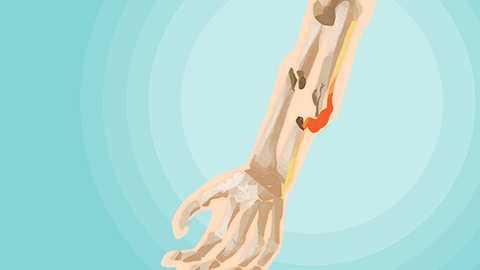
Persisting with functional physical activities, such as taking a slow walk every day, can help prevent osteoporosis and reduce the risk of future fractures.

During fracture rehabilitation, it’s beneficial to consume calcium-rich foods such as milk, fish, soy products, and eggs. Calcium supplements may be taken when necessary. Living spaces should be arranged safely—floors should not be too slippery, and furniture such as tables and chairs should not be placed in disarray. We hope this article has been helpful to you. Wishing you good health and a happy life!