


Advantages and disadvantages of interventional therapy for liver cancer
Dec 29, 2022
Source: Cainiu Health

Dr. Jin Zhongkui
Introduction
Disadvantages of interventional therapy: The main blood supply for hepatocellular carcinoma relies on the hepatic artery, but the surrounding tissue is supplied by the portal vein, allowing cancer cells to survive "safely and successfully." The procedure is technically challenging. The catheter must be super-selectively inserted into the feeding artery to achieve optimal results; however, access to the hepatic artery is sometimes difficult. Moreover, certain liver tumors may have multiple vascular supplies. Even with super-selective catheterization, significant side effects can still occur.
With continuous social development and progress, there are many treatment options for liver cancer, allowing patients to choose the most suitable approach based on their individual conditions. What are the advantages and disadvantages of interventional therapy for liver cancer?
Advantages and Disadvantages of Interventional Therapy for Liver Cancer
Disadvantages of interventional therapy: Liver cancer primarily derives its blood supply from the hepatic artery, but the surrounding area of the tumor may also receive blood flow from the portal vein, allowing cancer cells to survive "safely and successfully." The procedure is technically challenging. To achieve optimal results, the catheter must be super-selectively inserted into the supplying artery; however, access to the hepatic artery is sometimes difficult. Additionally, some liver cancers may have multiple vascular supplies.
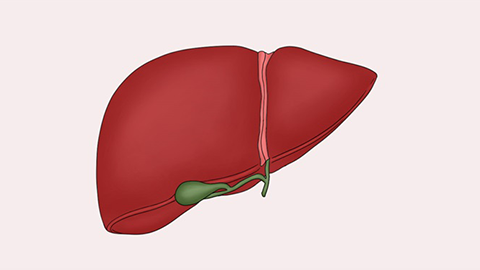
Even with successful super-selective catheterization, significant side effects can still occur. According to data analysis from our hospital, gastrointestinal reactions are the most common. Patients with portal vein tumor thrombosis should be carefully evaluated or considered for alternative treatments. Even when the procedure goes smoothly, complications such as misembolization, shunting, and unavoidable micrometastases may occur due to high-pressure injection or other factors. Normal hepatocytes may still be damaged, and a small number of patients may even develop liver dysfunction. The therapeutic effect is less satisfactory in patients with large tumor masses.
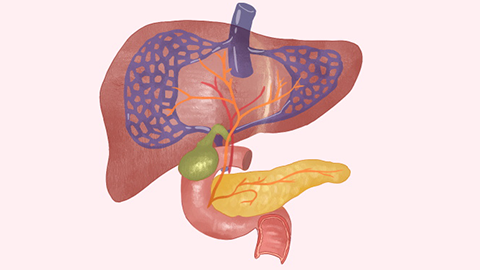
Interventional therapy for liver cancer offers many advantages: It has definite efficacy—successful treatment leads to rapid decline in AFP levels, tumor shrinkage, and reduced pain. Its mechanism is scientifically sound: the local drug concentration achieved through interventional therapy is dozens of times higher than that of systemic chemotherapy, while simultaneously blocking the tumor's blood supply, resulting in dual-action effectiveness with lower toxicity compared to systemic chemotherapy. The procedure is simple, feasible, safe, and reliable. Elderly or frail patients, as well as those with certain medical conditions, can undergo the procedure without general anesthesia and remain conscious. We hope this answer has been helpful to you. Wishing you good health and happiness.



