


Is it necessary to get the chickenpox vaccine?
Dec 29, 2022
Source: Cainiu Health

Dr. Jiang Weimin
Introduction
It is necessary to get the chickenpox vaccine because chickenpox is a contagious disease, primarily spread through respiratory infection. Most cases of chickenpox are mild, with prodromal symptoms such as fever, joint pain, fatigue, and widespread blistering of the skin. The risks include severe blistering or secondary infections that may leave scars, and potentially lead to serious viremia, which could damage internal organs or the brain. Therefore, vaccination can effectively prevent these complications.
Chickenpox commonly occurs during infancy and early childhood. However, some children can prevent chickenpox through vaccination. Is it necessary to get the chickenpox vaccine?
Is It Necessary to Get the Chickenpox Vaccine?
Yes, it is recommended to get the chickenpox vaccine because chickenpox is a contagious disease primarily spread through respiratory infection. Most cases of chickenpox are mild and present with prodromal symptoms such as fever, joint pain, fatigue, and widespread blistering. However, complications may arise if blisters become severe or secondarily infected, potentially leaving scars, or leading to serious viremia that could damage internal organs or the brain. Therefore, vaccination provides effective protection. That said, even after vaccination, there is no 100% guarantee against infection. There have been cases where individuals developed chickenpox despite being vaccinated, but their rashes and overall symptoms were significantly milder. Hence, if possible, it is advisable to receive the chickenpox vaccine.
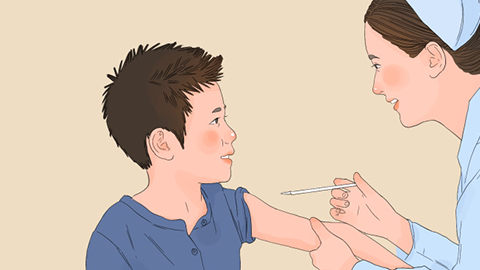
Chickenpox is an acute infectious disease caused by primary infection with the varicella-zoster virus, often accompanied by fever. The rash usually first appears on the head, face, and trunk before spreading to other areas, predominantly affecting the trunk in a centripetal distribution. It progresses from red maculopapules to vesicles. Some vesicles may rupture and subsequently form scabs. Chickenpox lesions develop in waves, so macules, papules, vesicles, and crusts may all be present simultaneously.

Chickenpox most frequently occurs in spring but can affect people of any age, with the majority of cases occurring in children. Complications can also occur. Ruptured blisters may lead to skin and soft tissue infections, and in some cases, pneumonia, encephalitis, hepatitis, or glomerulonephritis may develop. We hope this information has been helpful. Wishing you good health and happiness.




