


What does it mean when chickenpox becomes pus-filled, and what should be done?
Dec 03, 2025
Source: Cainiu Health

Dr. Liu Wenmin
Introduction
In general, pustular varicella may result from scratching causing skin breakdown, friction from clothing, secondary bacterial infection, impetigo, or cellulitis. It is recommended to seek medical attention promptly, identify the underlying cause, and then improve the condition through general measures and medication under a doctor's guidance. Maintain a light diet in daily life, avoid spicy and greasy foods, and increase intake of fruits and vegetables rich in vitamins.
In general, pustular formation in chickenpox may result from scratching causing skin damage, friction from clothing, secondary bacterial infection, impetigo, or cellulitis. It is recommended to seek timely medical attention, identify the underlying cause, and then improve the condition under a doctor's guidance through general management, medication, and other treatments. Specific analyses are as follows:
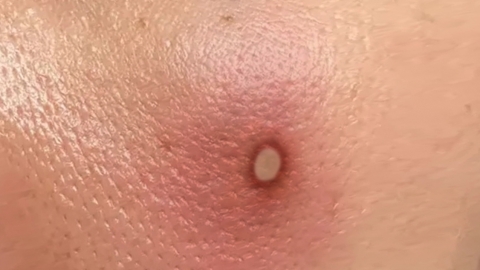
1. Skin damage due to scratching: Chickenpox blisters are notably itchy, and scratching can break the blister surface, allowing bacteria to invade and cause pus formation. Trim fingernails short and smooth; infants and young children can wear cotton gloves. Apply cold compresses with a damp towel when experiencing itchiness to avoid directly scratching the affected areas.
2. Irritation from clothing friction: Wearing tight or coarse clothing can repeatedly rub against chickenpox blisters, leading to rupture and pus formation, commonly seen on the trunk and limbs. Choose loose, soft cotton clothing and change clothes frequently to reduce friction and irritation to the blisters.
3. Secondary bacterial infection: After blister rupture, bacterial invasion (e.g., by Staphylococcus aureus) can lead to infection with pus discharge. Follow medical advice to apply topical medications such as mupirocin ointment, erythromycin ointment, or fusidic acid cream, and keep the affected area clean and dry.
4. Impetigo: When chickenpox lesions worsen due to infection, they may develop into impetigo—thin-walled pustules that easily rupture and discharge yellow pus. Follow medical instructions to take oral medications such as cefixime granules, amoxicillin capsules, or azithromycin dry suspension. Clean the affected area with normal saline before applying medication.
5. Cellulitis: If the infection spreads further into subcutaneous tissue, it can cause cellulitis, characterized by obvious local redness, swelling, heat, pain, and significant pus accumulation. In addition to taking oral medications such as cefaclor sustained-release tablets, levofloxacin tablets, or clindamycin capsules, surgical incision and drainage of abscesses may be required when necessary to remove pus and promote healing.
Maintain a light diet in daily life, avoid spicy and greasy foods, and increase intake of vitamin-rich fruits and vegetables. Keep indoor air well-ventilated, regularly disinfect frequently touched items, prevent cross-infection, and support healthy skin recovery.



