


What causes infertility?
Dec 29, 2022
Source: Cainiu Health

Dr. Mei Quan
Introduction
Causes of infertility include common factors affecting both men and women. Infertility is defined as the inability to conceive after one year of regular sexual intercourse without contraception. The causes of infertility in both men and women are complex and varied. Problems with the reproductive system or hormonal levels can lead to infertility. Common causes include male factors and female factors.
In today's society, there are not a few individuals who experience infertility, which in severe cases can even affect family happiness. What causes infertility?
What Causes Infertility?
The causes of infertility include common factors affecting both men and women. Infertility refers to the inability to conceive after one year of regular sexual intercourse without contraception. For both males and females, the reasons for infertility are complex and varied. Problems with the reproductive system or hormonal imbalances can lead to infertility. Common causes include male factors and female factors.
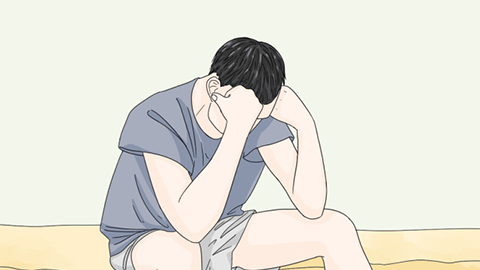
The main factor contributing to male infertility is abnormal semen, including conditions such as azoospermia (absence of sperm), low sperm count, reduced sperm motility, and abnormal morphology. Other factors include obstructed sperm transport due to conditions like epididymal or vas deferens tuberculosis, blockage of the vas deferens, erectile dysfunction, and premature ejaculation. Immune factors also play a role—autoantibodies against sperm present in semen can lead to male infertility. Endocrine dysfunction is another cause; male endocrine function is regulated by the hypothalamic-pituitary-testicular axis, and any disruption in this system may result in infertility. Additionally, sexual dysfunction, including underdeveloped genital tracts and erectile dysfunction, can contribute to infertility.
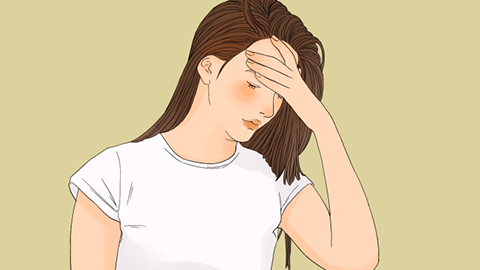
Female infertility may be caused by vulvovaginal factors such as congenital malformations, infections, narrowing, or inflammation. Cervical factors also contribute—since the cervix serves as the passage for sperm to enter the uterine cavity, the amount and quality of cervical mucus can affect sperm passage. These include cervical dysplasia, cervical inflammation, and cervical polyps. We hope this answer has been helpful to you. Wishing you good health and a happy life.



