


What to do for gout with swollen and painful ankle
Dec 29, 2022
Source: Cainiu Health

Dr. Liu Aihua
Introduction
Gout is caused by disordered purine metabolism. Chronic hyperuricemia commonly presents with redness, swelling, heat, and pain in the first metatarsophalangeal joint, and may involve the ankle, knee, and hand joints. Tophi can be found on the extensor surfaces of joints and the auricle. Ankle swelling and pain are manifestations of gout attacks. Joint pain can be treated with colchicine or nonsteroidal anti-inflammatory drugs for analgesia. After relief of joint pain, urate-lowering therapy is required.
Many people in our daily lives suffer from gout, a condition that can become severe and significantly affect their everyday activities, causing mobility difficulties. So, what should be done about ankle swelling and pain caused by gout?
What to do about ankle swelling and pain due to gout
Gout results from disordered purine metabolism. Chronic hyperuricemia commonly manifests as redness, swelling, heat, and pain in the first metatarsophalangeal joint, but may also involve the ankle, knee, and hand joints. Tophi—deposits of urate crystals—can appear on the outer sides of joints or earlobes. Ankle swelling and pain are typical symptoms during a gout flare-up. For joint pain, colchicine or nonsteroidal anti-inflammatory drugs (NSAIDs) can be used for pain relief. After the pain subsides, uric acid-lowering therapy is necessary, such as using febuxostat. Patients should strictly follow a low-purine diet, avoiding organ meats, alcohol, and seafood.
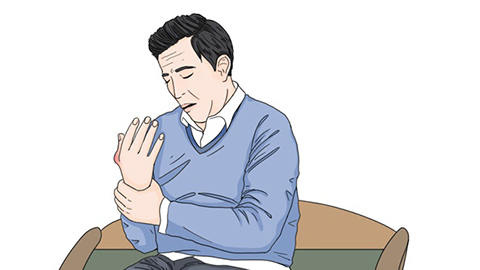
Acute gouty arthritis typically has the following characteristics: it often strikes suddenly at night or in the early morning, with intense joint pain described as tearing, cutting, or biting in nature, making it difficult to bear. Within hours, the affected joint becomes red, swollen, hot, painful, and functionally impaired. The attack is usually self-limiting, resolving spontaneously within a few days to two weeks, after which the overlying skin may peel and itch. It is often accompanied by high uric acid levels. Definitive diagnosis can be made by identifying negatively birefringent needle-shaped monosodium urate crystals in synovial fluid or material aspirated from subcutaneous tophi.
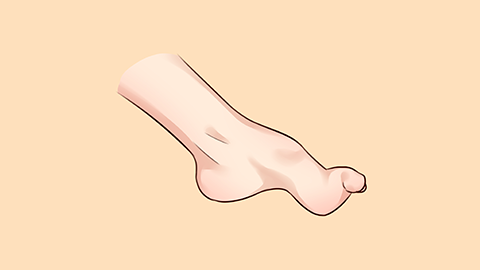
Gout patients should pay close attention to their diet in daily life to avoid exacerbating the condition and affecting quality of life. If any abnormalities occur, seek medical evaluation and treatment promptly. We hope this information helps you. Wishing you good health and a happy life!





