


What does it mean when the wound turns white and forms a scab after applying iodophor, and what should be done?
Jan 03, 2023
Source: Cainiu Health

Dr. Wang Lei
Introduction
During the healing process, wounds may produce exudate. When this exudate mixes with iodophor, it can alter the color of the scab, causing it to appear white. The exudate contains components such as proteins and electrolytes, which may interact with iodophor to form a white substance that covers the surface of the scab. It is recommended to keep the wound clean and minimize the accumulation of exudate.
White scabbing after applying iodophor may be caused by wound exudate mixing, oxidation from air exposure, excessive application, local infection, or skin allergy. Appropriate measures can be taken depending on the specific cause. It is recommended to seek timely medical attention and receive treatment under a doctor's guidance.
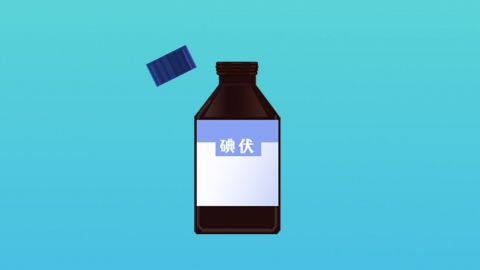
1. Wound Exudate Mixing
During the healing process, wounds often produce exudate. When this fluid mixes with iodophor, it can alter the color of the forming scab, causing it to appear white. The exudate contains proteins, electrolytes, and other components that may interact with iodophor to form white deposits on the surface of the scab. It is advisable to keep the wound clean and minimize accumulation of exudate.
2. Air Oxidation
The iodine in iodophor can undergo an oxidative reaction when exposed to air, which may change the color of the scab and lead to whitening. After applying iodophor, if possible, cover the wound with a breathable dressing to reduce its exposure to air and thereby decrease the extent of oxidation.
3. Excessive Application
Applying too much iodophor can result in a thick residue as it dries on the wound surface, making the scab appear white. It is recommended to apply iodophor in appropriate amounts according to proper instructions and avoid overuse. Gently wipe the scab surface with normal saline to remove excess iodophor residue.
4. Local Infection
Mild infections can occur when pathogens such as bacteria multiply at the wound site, disrupting the normal healing process. Infection-induced inflammation may increase wound exudate, and when mixed with iodophor, this can make the scab more likely to turn white. Infection may also be accompanied by symptoms such as redness, swelling, and pain. Follow your doctor’s advice regarding the use of medications such as mupirocin ointment, erythromycin ointment, or amoxicillin capsules to manage the condition.
5. Skin Allergy
Some individuals may be allergic to iodophor or wound dressings. An allergic reaction can trigger inflammatory changes in the skin. At the wound site, this may manifest as redness, itching, and whitening of the scab due to inflammation, along with possible rashes or blisters. It is recommended to discontinue use immediately and consult a doctor for relief using antiallergic medications such as cetirizine hydrochloride tablets, loratadine tablets, or ephedrine-diphenhydramine tablets.
If the wound has already formed a scab, it should be protected and allowed to heal naturally. The scab acts as a natural barrier against bacteria, enabling undisturbed healing underneath. In such cases, applying iodophor over a clean, intact scab offers no real therapeutic benefit. Avoid scratching or picking at the wound with your hands, as this may cause premature scab loss and delay healing. Consuming high-protein foods regularly can help promote wound recovery.




