


What are the differences between chills and shivering?
Jan 16, 2023
Source: Cainiu Health

Dr. He Haochen
Introduction
There is no medical distinction between "chills" and "shivering"; both refer to whole-body tremors caused by feeling cold, resulting from muscle contractions and spasms. Chills are more commonly used as a symptom term and are classified into physiological and pathological types. They may result from adverse reactions to amphotericin B, excessively low room temperature, or emotional states such as extreme tension or fear.
There is no medical distinction between chills and shivering; both refer to the condition of trembling due to cold, which is a kind of muscle contraction and spasm. Chills are more commonly used as a symptom name and are divided into physiological and pathological types. If discomfort occurs, it is recommended to seek medical attention promptly.
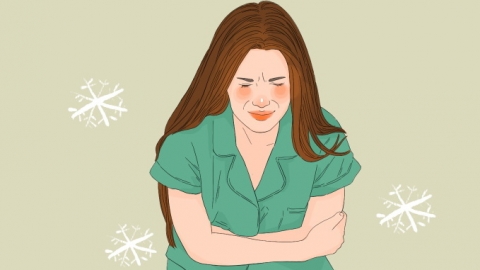
Chills refer to the phenomenon of body tremors caused by various factors. It may be an adverse reaction after using amphotericin B, such as chills and feeling cold; it could also result from excessively low indoor temperature, as hypothermia triggers regulatory mechanisms leading to chills; or it might stem from excessive tension or fear, causing peripheral vascular spasms and piloerection, resulting in sudden loss of body energy.
However, chills can also be caused by pathological conditions, with common examples including the common cold and pneumonia. When patients catch a chill or become infected with viruses or bacteria, they may develop a cold accompanied by fever. Chills often precede the onset of fever. If body temperature exceeds 38.5°C, patients may take medications such as ibuprofen tablets or acetaminophen tablets according to medical advice. In cases of pneumonia, patients typically first experience chills followed by high fever with sustained (continuous) fever patterns, along with symptoms such as chest pain, cough, and rust-colored sputum. Oral administration of azithromycin tablets or enteric-coated erythromycin capsules may help relieve these symptoms.
It's important to maintain healthy lifestyle habits daily, avoid overexertion, and refrain from intense physical activity to prevent bodily discomfort. It is advisable to engage appropriately in mild exercises such as walking or jogging based on individual conditions, which can help enhance immunity and support recovery.





