


Why does my eye hurt after using lutein eye drops, and what should I do?
Mar 25, 2023
Source: Cainiu Health

Dr. Wang Shuai
Introduction
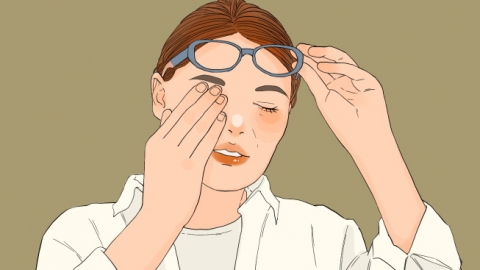
Eye pain after using lutein eye drops may be caused by drug irritation, individual sensitivity, incorrect application method, conjunctivitis, glaucoma, or other factors. Symptoms can be improved according to the specific situation. It is recommended to seek timely medical attention at a hospital and receive treatment under the guidance of a doctor. Generally, eye drops may temporarily alter the local pH, leading to eye discomfort or pain.
Dropping lutein eye drops may cause eye pain due to medication irritation, individual sensitivity, incorrect usage, conjunctivitis, glaucoma, or other causes. Appropriate measures can be taken based on the specific situation. It is recommended to seek timely medical attention and receive treatment under a doctor's guidance.
1. Medication Irritation
In general, eye drops may temporarily alter the local pH level, causing eye discomfort or pain. Patients experiencing this should close their eyes for about 5 minutes after administration. During this time, tears will help neutralize the pH of the eye drops, and symptoms usually subside without requiring special treatment.
2. Individual Sensitivity
Besides lutein, lutein eye drops may also contain preservatives, thickeners, or other ingredients. Some individuals may be sensitive to these components, leading to eye pain. It is advisable to try preservative-free lutein eye drops. Additionally, before using a new eye drop, place one drop at the inner corner of the eye to observe for any adverse reactions before deciding whether to continue use.
3. Incorrect Usage
The human cornea contains numerous sensory nerve fibers. If eye drops are applied directly onto the cornea, they may stimulate these nerves and cause eye pain. Therefore, eye drops should always be administered into the conjunctival sac, not directly onto the cornea.
4. Conjunctivitis
Conjunctivitis may result from poor habits, infections, or other factors. Inflammation irritates the conjunctiva, and applying lutein eye drops may further stimulate damaged or inflamed tissues, worsening pain. Patients should follow medical advice and may use medications such as chloramphenicol eye drops, ganciclovir eye drops, or ofloxacin eye drops to alleviate symptoms.
5. Glaucoma
Glaucoma may be associated with genetic factors, intraocular bleeding, or vascular diseases, leading to elevated intraocular pressure. Using lutein eye drops might exacerbate eye discomfort. Patients may also experience photophobia, tearing, and headaches. Under medical supervision, medications such as brimonidine timolol eye drops, brimonidine tartrate eye drops, or mannitol injection may be used to relieve symptoms.
When using eye drops, it is important to follow instructions on the label or as directed by a healthcare provider. In daily life, maintain good eye hygiene, eat a light diet, and avoid spicy or irritating foods.




