


What causes brown raised bumps on the body?
Mar 25, 2023
Source: Cainiu Health

Dr. Liu Wenmin
Introduction
In most cases, brown raised bumps on the body may be related to skin aging, skin irritation, folliculitis, pigmented nevi, or flat warts. Patients can alleviate symptoms by using moisturizers, maintaining skin cleanliness, wearing loose and comfortable clothing, and medication. It is recommended that patients promptly visit a hospital for examination and receive symptomatic treatment under the guidance of a doctor.
Generally, the appearance of small brown raised bumps on the body may be related to skin aging, skin irritation, folliculitis, pigmented nevi (moles), flat warts, and other causes. It is recommended to seek timely medical evaluation at a hospital to determine the underlying cause and receive targeted treatment. A detailed analysis is as follows:
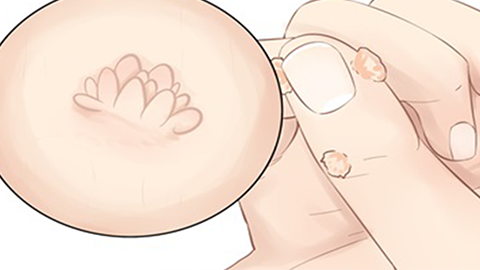
1. Skin aging: With increasing age, the skin gradually ages, which may lead to pigmentation and skin overgrowth, forming small brown raised bumps. These may be accompanied by symptoms such as dryness and sagging of the skin. It is recommended to keep the skin moisturized by using moisturizers or other skincare products.
2. Skin irritation: Physical stimuli such as friction or pressure, or contact with certain chemicals, may cause skin overgrowth and pigmentation, resulting in raised bumps, possibly accompanied by mild pain or discomfort. Avoid further skin irritation and maintain clean skin.
3. Folliculitis: Poor personal hygiene may lead to bacterial infection of hair follicles, causing folliculitis. Symptoms may include local redness, swelling, pain, and itching; in severe cases, small bumps may form. Treatment may include topical application of mupirocin ointment, fusidic acid sodium ointment, or compound polymyxin B ointment, as directed by a physician.
4. Pigmented nevus: A pigmented nevus is a benign skin tumor caused by melanocytes, possibly associated with abnormal development of neural crest precursor cells or congenital factors. It appears as a raised bump on the skin, usually dark brown or black in color. Pigmented nevi are generally harmless; wearing loose, comfortable clothing in daily life is usually sufficient.
5. Flat warts: Caused by infection with human papillomavirus type 3, flat warts present as small bumps that may match normal skin tone or appear light brown, grayish-white, etc. Some patients may experience mild itching. Treatments may include topical tretinoin cream, imiquimod cream, or tazarotene cream under medical supervision.
In daily life, patients should avoid excessive sun exposure, refrain from consuming spicy or irritating foods, and avoid smoking and excessive alcohol consumption.






