


My jaw has become smaller after two years of pressure—what could be the reason, and what should I do?
May 08, 2023
Source: Cainiu Health

Dr. Chen Lu
Introduction
The reduction in jawbone size after two years of pressure could be due to soft tissue changes, visual illusion, bone remodeling, temporomandibular joint disorder (TMJ), or osteomyelitis of the mandible. Improvements can be made depending on the specific cause. It is recommended to seek timely medical attention at a hospital and receive treatment under the guidance of a doctor. Facial massage may help—start from the chin and gently massage upward along the jawline.
The jawbone appearing smaller after two years of constant pressure may be caused by soft tissue changes, visual illusion, bone remodeling, temporomandibular joint disorder (TMD), or osteomyelitis of the mandible. Improvements can be made depending on the specific cause. It is recommended to seek timely medical evaluation and treatment under a doctor's guidance.
1. Soft Tissue Changes
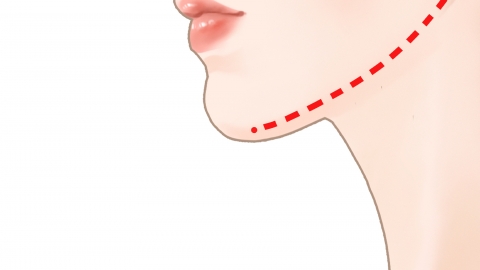
Prolonged pressure on the jawbone may displace and redistribute surrounding soft tissues such as muscles and fat, making the jaw appear smaller. It is advised to stop applying pressure to the jaw to prevent further soft tissue disruption. Facial massage may help—start from the chin and gently massage upward along the jawline to encourage soft tissues to return to their normal position and condition.
2. Visual Illusion
Continuously focusing on and pressing the jawbone may lead to a visual illusion. Due to psychological factors and habitual observation, one might perceive the jawbone as having shrunk. Additionally, changes in hairstyle, makeup, or other facial features may reinforce this illusion. Adjusting your mindset and avoiding excessive focus on the jaw can help. Consider changing your hairstyle—for example, adopting face-framing styles like side-parted curls—to create a more balanced facial appearance.
3. Bone Remodeling
Bone is a living tissue, and prolonged pressure on the jawbone may lead to microscopic-level bone resorption and reconstruction, potentially causing slight reduction in jaw size over time. However, such changes are typically slow and subtle. Consuming foods rich in calcium, phosphorus, and vitamin D—such as milk, fish, and nuts—can support bone health.
4. Temporomandibular Joint Disorder (TMD)
Chronic pressure on the jawbone may result in abnormal stress on the temporomandibular joint, leading to TMD. This condition can alter the normal position and movement of the jawbone, causing muscle tension around the joint and possibly making the jaw appear smaller. Symptoms may also include joint pain, clicking sounds, and limited mouth opening. Under medical supervision, medications such as ibuprofen capsules, glucosamine sulfate capsules, or celecoxib capsules may be used to relieve discomfort.
5. Osteomyelitis of the Mandible
If skin breaks occur or oral bacteria invade the jawbone during repeated pressing, it may lead to osteomyelitis of the mandible. The inflammation can cause bone destruction, resulting in a visibly smaller jaw. Symptoms include jaw pain, swelling, and fever. Patients should follow medical advice and may use medications such as cefixime capsules, clindamycin phosphate tablets, or diclofenac sodium sustained-release tablets to manage symptoms.
In daily life, proper skin care is recommended. Maintain a light diet and avoid spicy or irritating foods such as garlic, hot pot, and wasabi. Ensure adequate rest and avoid excessive fatigue to support overall health.




