


How to Get Rid of Acne on the Face
Nov 17, 2020
Source: Cainiu Health
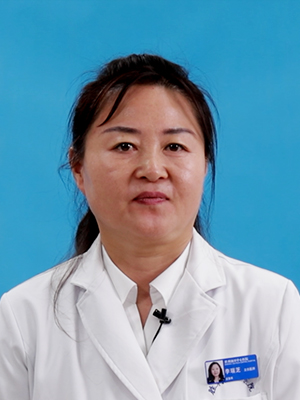
Dr. Li Ruizhi
Introduction
How to Eliminate Acne on the Face:
1. Regulate Endocrine Function: Balancing hormonal levels helps significantly reduce acne lesions.
2. Traditional Chinese Medicine (TCM) Therapy: TCM treatments have relatively mild side effects and offer holistic, systemic regulation.
3. Proper Acne Management: Pustules on the face harbor numerous bacteria; therefore, they must be thoroughly and promptly cleaned.
Acne, also known as “youth acne” or “pimples,” refers to acne lesions appearing on the face. It is a common dermatological condition, most frequently observed in adolescents—though it can affect individuals of any age. Facial acne manifests in various forms, including comedones (blackheads and whiteheads), papules, pustules, and nodules. In severe cases, lesions may become suppurative (filled with pus), underscoring the importance of timely treatment. Importantly, while skincare products may serve as adjunctive care, acne—as a recognized medical dermatological condition—should be managed under the guidance of a qualified healthcare professional at an accredited medical facility.

How to Effectively Treat Facial Acne
1. Regulate Endocrine Function
Acne commonly develops during adolescence, largely due to endocrine imbalances prevalent in this age group. Hormonal fluctuations—particularly increased androgen activity—stimulate sebaceous gland secretion, thereby promoting acne formation. If left untreated or improperly managed, acne lesions may spread and worsen across the face. Therefore, restoring hormonal balance constitutes a fundamental step in acne management. Pharmacological interventions targeting endocrine regulation are often effective; once hormonal equilibrium is achieved, acne severity typically diminishes significantly.
2. Traditional Chinese Medicine (TCM) Therapy
Some patients with moderate-to-severe acne opt for Western medications to alleviate symptoms. However, systemic Western drugs may carry notable side effects and are not universally recommended for long-term use. Instead, TCM-based treatments—such as herbal formulations—are often preferred. These therapies generally exhibit milder adverse effects and offer holistic benefits by regulating internal physiological balance, thus supporting overall health while addressing acne.

3. Proper Lesion Management
Most acne lesions present as pustules containing pathogenic microorganisms. Prompt and hygienic drainage is essential to prevent secondary infection and inflammation. A sterile comedo extractor (acne needle) may be used to carefully puncture the lesion, followed by gentle expression of its contents. Prior to extraction, thorough disinfection of both hands and instruments is mandatory to minimize infection risk.
4. Maintain Optimal Skin Hydration
Excess sebum production plays a pivotal role in acne development—especially during puberty, when sebaceous glands become highly active. Paradoxically, excessive oiliness often correlates with underlying skin dehydration. Thus, consistent hydration is critical: regular application of hydrating masks—preferably those formulated for intensive moisture replenishment—can help restore cutaneous water balance. With sustained use, such regimens not only reduce acne incidence but also enhance skin texture and radiance.

The above outlines evidence-informed strategies for managing facial acne. We hope this information proves helpful to you.



