


Is finger joint pain after drinking alcohol a sign of gout?
May 15, 2023
Source: Cainiu Health
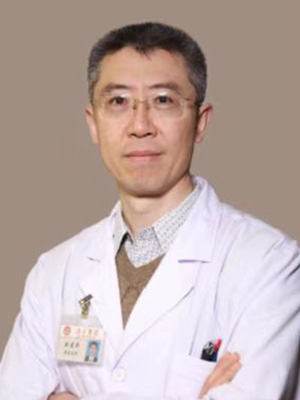
Dr. Liu Aihua
Introduction
Finger joint pain after drinking alcohol is not necessarily gout; it may be caused by physiological factors, but could also be related to conditions such as tenosynovitis or gout. The specific analysis is as follows: If the fingers have been used for carrying heavy objects over a prolonged period, the local muscles may experience extended pressure, leading to nerve damage and resulting in pain. Local massage may help improve blood circulation and alleviate symptoms to some extent.
Headache in the fingers after drinking alcohol is not necessarily due to gout; it could be caused by physiological factors, but pathological causes such as tenosynovitis or gout cannot be ruled out. The specific analysis is as follows:
I. Physiological Factors
If the fingers have been used for lifting heavy objects over a prolonged period, local muscles may experience extended pressure, potentially damaging local nerves and causing pain. Massaging the affected area may help accelerate blood circulation and alleviate symptoms.
II. Pathological Factors
1. Tenosynovitis
Tenosynovitis occurs due to long-term wear and tear on tendons, such as from prolonged or excessive use of the fingers or wrist joints. Inflammation can irritate surrounding nerves, leading to symptoms like numbness, swelling, and pain. Treatment may include medications such as ibuprofen sustained-release capsules or prednisolone acetate injection, taken under medical guidance.
2. Gout
Gout results from hyperuricemia, where urate crystals deposit in joints and surrounding soft tissues, triggering the release of large amounts of inflammatory mediators that stimulate peripheral nerves, possibly causing severe localized pain. Medications such as colchicine tablets or allopurinol tablets may be used as directed by a physician.
Besides the above-mentioned causes, finger pain after drinking could also result from diabetes, osteoarthritis, or septic arthritis. After onset of symptoms, adequate rest is recommended and strenuous physical activity should be avoided to prevent worsening of the condition.






