What is the mechanism by which hyponatremia causes edema?
Apr 12, 2023
Source: Cainiu Health

Dr. Zhang Renling
Introduction
Hyponatremia refers to low blood sodium levels. Under normal circumstances, when serum sodium levels in the body are low, plasma osmotic pressure tends to decrease, causing water to shift out of the bloodstream and into tissues, which may lead to edema. In general, patients with hyponatremia have serum sodium levels below 135 mmol/L. This measurement reflects the concentration of sodium in the plasma and commonly results from prolonged use of diuretics or excessive fluid intake, as well as conditions such as vomiting.
Hyponatremia generally refers to low sodium levels in the blood. When hyponatremia leads to edema, it is primarily because a low serum sodium concentration reduces plasma osmotic pressure, causing water within the body to move outward into tissues, thereby resulting in edema.
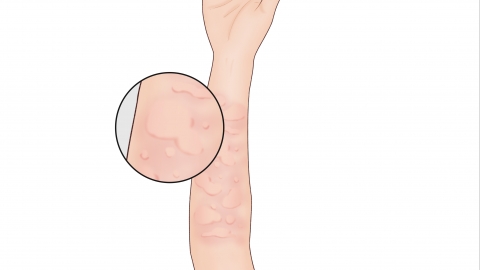
In general, patients with hyponatremia have serum sodium levels below 135 mmol/L. This measurement reflects the concentration of sodium in the plasma and is often caused by prolonged use of diuretics or fluids, vomiting, adrenal cortical insufficiency, and similar conditions. When a patient's serum sodium level is slightly or extremely low compared to normal values, it may reduce plasma osmotic pressure. As plasma pressure drops, bodily fluids shift into the skin spaces, leading to edema.
The severity of this condition depends on the rate at which sodium levels decrease. If serum sodium continues to fall, serious complications such as cerebral edema may occur. Therefore, patients are advised to seek prompt medical attention, identify the underlying cause of hyponatremia, and receive appropriate treatment. Patients with hyponatremia are generally prescribed medications such as tolvaptan tablets, sodium chloride injection, or furosemide tablets according to medical guidance to relieve symptoms.
It is important to maintain healthy lifestyle habits, ensure a balanced diet, avoid excessive fatigue, and refrain from strenuous exercise to prevent physical discomfort.