


What does it mean if the endometrium sheds heavily after taking motherwort, and what should be done?
Oct 17, 2023
Source: Cainiu Health

Dr. Zhang Xiuhong
Introduction
In general, heavy endometrial shedding after taking Leonurus (Yi Mu Cao) may be related to drug reactions, menstrual disorders, allergies, cervicitis, endometritis, or other causes. Patients can receive treatment through lifestyle adjustments, dietary regulation, traditional Chinese medicine调理, medication, or surgical intervention. If patients experience any discomfort, it is recommended to seek timely medical attention at a hospital to avoid delaying the condition.
Under normal circumstances, taking Leonurus (Yi Mu Cao) leading to significant endometrial shedding may be related to factors such as drug reactions, menstrual disorders, allergies, cervicitis, and endometritis. Patients can manage the condition through lifestyle adjustments, dietary modifications, and medication. If discomfort occurs, it is recommended to seek timely medical attention at a hospital to avoid delays in treatment. Detailed analysis is as follows:
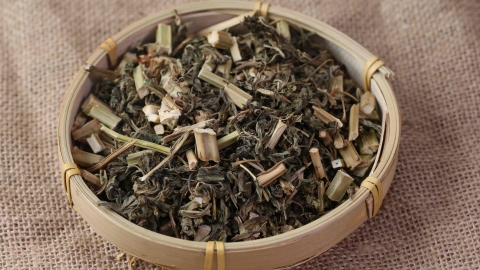
1. Drug Reaction
Leonurus may cause uterine contractions and stimulation, promoting endometrial shedding. Some patients may experience excessive drug reactions. In such cases, it is recommended to discontinue the medication promptly and switch to alternative treatments under a doctor's guidance to prevent ongoing adverse effects on the body.
2. Menstrual Disorders
Leonurus may affect the menstrual cycle and hormonal balance, potentially causing abnormal endometrial shedding. Associated symptoms may include irregular menstruation and prolonged periods. Patients are advised to ensure adequate rest, maintain a balanced diet, avoid excessive fatigue and mental stress, and engage in moderate physical activity.
3. Allergic Reaction
Leonurus has effects in regulating uterine function, improving microcirculation, and altering blood rheology. However, some individuals may be allergic to Leonurus, which could trigger uterine contractions and endometrial shedding. In such cases, use of Leonurus should be stopped immediately. If necessary, antiallergic medications such as cetirizine hydrochloride tablets, loratadine tablets, or ephedrine-diphenhydramine tablets may be used as directed by a physician to alleviate symptoms.
4. Cervicitis
Cervicitis refers to inflammation of the cervix, including inflammation of the vaginal portion of the cervix and the cervical canal mucosa. When patients take Leonurus, it may cause abnormal vaginal bleeding, along with increased vaginal discharge and external genital itching. Patients may follow medical advice to use medications such as Fule tablets, ornidazole capsules, or azithromycin capsules to help relieve symptoms.
5. Endometritis
Endometritis is an inflammatory condition caused by bacteria invading the endometrium after overcoming cervical defenses; it is one of the pelvic inflammatory diseases. In such cases, taking Leonurus may lead to extensive endometrial shedding and abnormal vaginal bleeding. Treatment may include medications such as metronidazole tablets, clindamycin hydrochloride capsules, or Jingangteng capsules, as prescribed by a doctor.
During recovery, it is important to maintain a diverse diet centered on grains, with increased intake of vegetables, fruits, and tubers. Meals should be mild and low in salt. During menstruation, avoid excessively cold or spicy foods.







