


Is it normal for menstruation to stop on the third day?
Nov 18, 2024
Source: Cainiu Health

Dr. Zhang Lu
Introduction
In general, "da yi ma" refers to menstruation. If the period ends on the third day, but the total menstrual blood volume is normal and the menstrual cycle is regular, this may be a normal phenomenon. However, if the period ends on the third day and is accompanied by a明显 decrease or increase in menstrual flow, irregular menstrual cycles, or other abnormalities, it may indicate an underlying problem. If any discomfort symptoms occur, it is recommended to seek medical attention at a hospital promptly.
Generally speaking, "big sister's visit" is a colloquial term for menstruation. If menstruation ends on the third day but the total menstrual blood volume is normal and the menstrual cycle is regular, this may be considered normal. However, if menstruation stops on the third day and is accompanied by a significant decrease or increase in menstrual flow, irregular cycles, or other abnormalities, it may indicate an underlying issue. If any discomfort occurs, it is advisable to seek timely medical evaluation at a hospital and receive standardized treatment under a doctor's guidance. Detailed analysis is as follows:
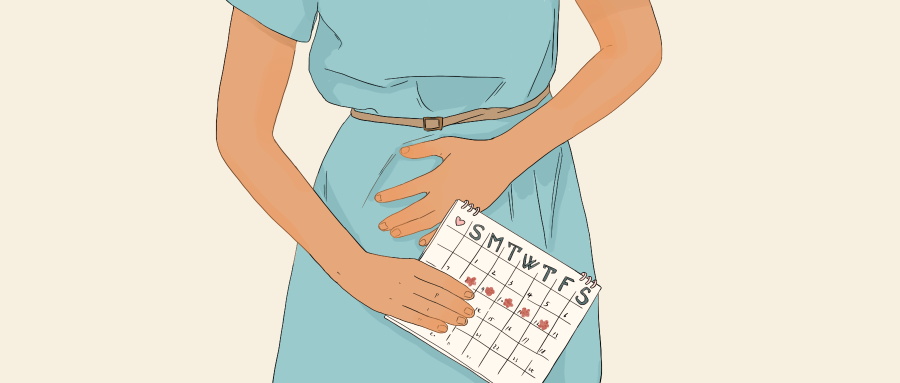
For most women, menstrual bleeding typically lasts between 2 to 8 days. If menstruation ends on the third day, but the overall blood loss is within the normal range and the menstrual cycle remains regular, this generally falls within the normal physiological variation and does not require special treatment. Occasionally ending menstruation on the third day may be related to recent life stress, emotional fluctuations, dietary changes, or mild physical fatigue. Such minor variations that return to normal in subsequent cycles usually do not warrant excessive concern.
If the shortened duration of menstruation is accompanied by明显 changes in menstrual flow (either significantly reduced or increased) or irregular menstrual cycles, it could be associated with endocrine disorders such as ovarian dysfunction or thyroid problems. For example, women with insufficient estrogen secretion may experience slower growth of the endometrium, resulting in a thinner uterine lining. This can lead to shorter menstrual periods and lighter bleeding. Additionally, a shortened menstrual period may also be related to inadequate endometrial thickness or endometrial pathology.
In daily life, women should maintain healthy lifestyle habits, avoiding behaviors such as staying up late, excessive fatigue, and poor diet, in order to support endocrine stability and ensure regular menstrual cycles.







