


What are the typical symptoms of a baby being frightened?
Nov 21, 2024
Source: Cainiu Health

Dr. Zhou Xiaofeng
Introduction
In general, typical symptoms of a baby being frightened include excessive crying, sleep disturbances, changes in appetite, fever, and abnormal behavior. If physical discomfort occurs, it is recommended to seek timely medical attention and follow the treatment guidance of a qualified physician. Parents should provide sufficient attention and reassurance, which can include hugging, kissing, and speaking softly to comfort the baby's emotions.
Generally, typical symptoms of a baby being frightened include excessive crying, sleep disturbances, changes in appetite, fever, and abnormal behavior. If physical discomfort occurs, it is recommended to seek timely medical attention and receive treatment under the guidance of a professional physician. Specific explanations are as follows:
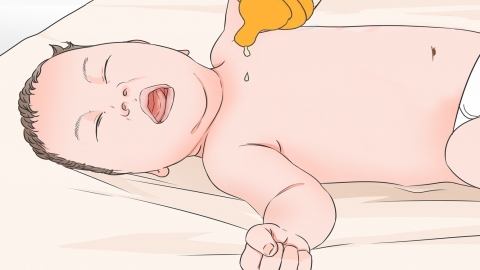
1. Excessive crying: After being frightened, a baby may cry excessively due to fear and anxiety. This crying may last for a prolonged period and can be difficult to soothe.
2. Sleep disturbances: A frightened baby may experience sleep disturbances, such as difficulty falling asleep, light sleep, or being easily startled awake. These disturbances may persist for several days or even weeks.
3. Changes in appetite: The baby's appetite may be affected, manifesting as loss of appetite or refusal to eat. This could be due to psychological stress following the fright, leading to gastrointestinal dysfunction.
4. Fever: Some babies may develop a fever after experiencing a fright. This could be due to a stress response triggered by the scare, resulting in dysfunction of the body's temperature regulation center.
5. Abnormal behavior: A frightened baby may display behavioral changes, such as suddenly becoming timid, clingy, or overly dependent. These behavioral shifts may represent the baby's attempt to seek a sense of security.
When a baby exhibits the above symptoms, parents should provide adequate attention and comfort. Hugging, kissing, and speaking softly to the baby can help soothe their emotions and make them feel safe and warm. At the same time, parents should remain calm and patient, avoiding excessive tension or anxiety, which could intensify the baby's sense of fear.








