


What are the symptoms of Henoch-Schönlein purpura (HSP)?
Nov 21, 2024
Source: Cainiu Health

Dr. Liu Wenmin
Introduction
Henoch-Schönlein purpura is a common vascular allergic disease. In general, the symptoms of Henoch-Schönlein purpura mainly include skin purpura, joint swelling and pain, abdominal pain, renal function impairment, fever, and so on. If experiencing any physical discomfort, it is recommended to seek timely medical attention and receive treatment under the guidance of a qualified physician. In daily life, patients should avoid contact with known allergens and maintain healthy lifestyle habits.
Henoch-Schönlein purpura (HSP) is a common vascular allergic disease. Generally, the symptoms of HSP mainly include skin purpura, joint swelling and pain, abdominal pain, renal dysfunction, fever, and other manifestations. If physical discomfort occurs, timely medical consultation is recommended, and treatment should be conducted under the guidance of qualified physicians. A detailed analysis is as follows:
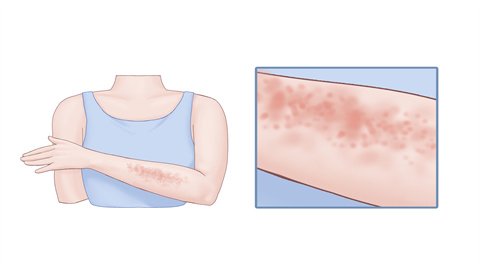
1. Skin Purpura: The typical symptom of HSP is the appearance of purpura on the skin. These purpuric lesions are usually palpable and may also be accompanied by skin damages such as urticaria, erythema, maculopapular rash, nodules, blisters, hemorrhagic blisters, necrosis, or ulcers.
2. Joint Swelling and Pain: Patients with HSP may develop arthritis symptoms, characterized by joint swelling, pain, tenderness, and functional impairment, commonly affecting large joints such as the knees and ankles.
3. Abdominal Pain: Patients with HSP may experience symptoms such as nausea, vomiting, abdominal pain, diarrhea, mucus-filled stools, or bloody stools. Abdominal pain occurs due to immune complexes formed by antigen-antibody binding being deposited in the vessel walls, activating the complement system, which leads to inflammation around capillaries and small vessels, increasing intestinal vascular permeability and causing intestinal edema.
4. Renal Dysfunction: Renal manifestations in patients with HSP vary, including glomerular capillaritis, hematuria, proteinuria, and cylindruria.
5. Fever: Fever may occur during the course of HSP. If the fever is mild, drinking an appropriate amount of warm water to promote metabolism may help alleviate the symptoms.
In daily life, patients should avoid known allergens, maintain healthy lifestyle habits, actively cooperate with medical treatment, reduce the occurrence of complications, and promote recovery.







