


What are the symptoms of pregnancy?
Nov 23, 2024
Source: Cainiu Health

Dr. Zhang Lu
Introduction
Under normal circumstances, symptoms of pregnancy include missed periods, increased fatigue, morning sickness, breast changes, frequent urination, etc. If discomfort occurs, it is recommended to seek timely medical attention at a hospital and follow standardized treatment under a doctor's guidance. It is also recommended to maintain good lifestyle habits, such as eating a balanced diet, engaging in appropriate exercise, and ensuring adequate rest, which are beneficial to overall health.
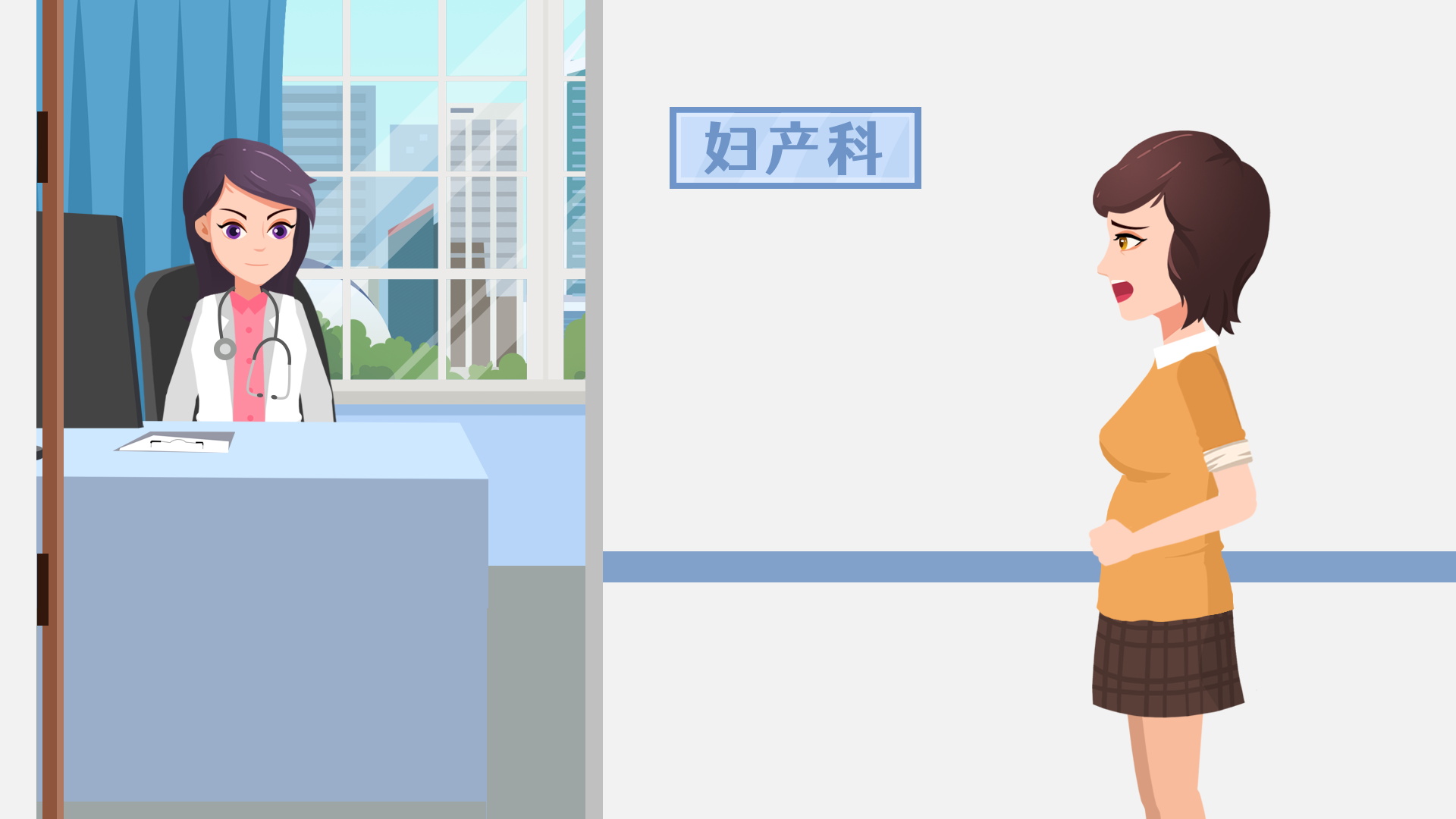
Generally, symptoms of pregnancy include amenorrhea (missed period), increased fatigue, morning sickness, breast changes, frequent urination, and others. If discomfort occurs, it is recommended to seek medical attention promptly and receive standardized treatment under a doctor's guidance. Detailed explanations are as follows:
1. Amenorrhea (Missed Period)
A missed period is an obvious sign of pregnancy. After sexual intercourse, if a woman's menstrual cycle has been regular and she suddenly misses her period beyond the expected time, it is likely an indication of pregnancy.
2. Increased Fatigue
In early pregnancy, the rising levels of progesterone in the body have a sedative effect. Meanwhile, the body is undergoing physiological adjustments to support embryonic growth, which may cause women to feel unusually tired or sleepier than usual.
3. Morning Sickness
In early pregnancy, due to drastic hormonal changes in the body, many women experience symptoms of morning sickness such as nausea, vomiting upon waking, loss of appetite, and food cravings.
4. Breast Changes
In early pregnancy, the breasts may enlarge and experience sensations of tingling, itching, or swelling. Additionally, the areola may darken in color, the nipples become more prominent, and small nodules may appear around the nipples, accompanied by feelings of tenderness, fullness, or itching in the breasts.
5. Frequent Urination
After conception, the growing uterus may press on the bladder, causing frequent urination. As the uterus continues to enlarge and extends beyond the pelvis, this symptom may ease. However, during the late stages of pregnancy, frequent urination may reoccur due to the fetal head descending and exerting pressure on the bladder.
It is advisable to maintain healthy lifestyle habits, such as balanced nutrition, appropriate exercise, and sufficient rest, which are beneficial to overall health.


