


What are the symptoms of burning mouth syndrome?
Nov 25, 2024
Source: Cainiu Health

Dr. Liu Chao
Introduction
Burning Mouth Syndrome is a common oral mucosal disease primarily affecting the tongue, with various symptoms. Generally, the main symptoms of Burning Mouth Syndrome include a burning sensation in the mouth, altered taste, numbness in the oral cavity, dry mouth, and sleep disturbances. If physical discomfort occurs, it is recommended to seek timely medical attention and undergo treatment under the guidance of a qualified physician.
Burning mouth syndrome is a common oral mucosal disease, primarily affecting the tongue, with various symptoms. Generally, the main symptoms of burning mouth syndrome include a burning sensation in the mouth, altered taste, numbness in the oral cavity, dry mouth, and sleep disturbances. If physical discomfort occurs, it is recommended to seek timely medical attention and undergo treatment under the guidance of a qualified physician. Detailed analysis is as follows:
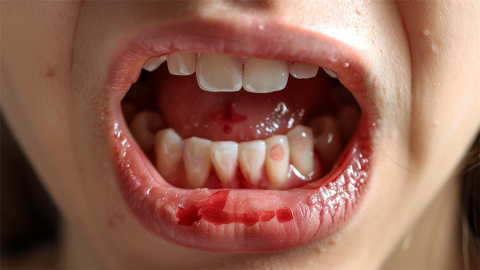
1. Oral burning sensation: Patients with burning mouth syndrome often experience a burning feeling in the mouth, similar to a burning sensation by fire, especially on the tongue and inner cheeks. This burning sensation mainly results from abnormal reactions of nerve endings in the oral cavity.
2. Altered taste: Patients may experience reduced taste sensitivity or taste disturbances, often noticing bitter, sour, metallic, or other unpleasant tastes. Taste abnormalities may be related to damage to taste buds on the tongue or nerve-related issues.
3. Oral numbness: As the disease progresses, the nerves that innervate the oral mucosa may become damaged, causing numbness. This numbness may occur in multiple areas, including the tongue, gums, and oral mucosa.
4. Dry mouth: Patients often feel dryness in the mouth and a reduced saliva production. Oral dryness can not only cause discomfort but may also affect speaking, eating, and swallowing functions.
5. Sleep disturbances: Symptoms of burning mouth syndrome may worsen at night, affecting the patient's sleep quality. Pain, burning sensations, and dry mouth may all contribute to sleep disturbances.
In daily life, patients should maintain a positive mindset during treatment, actively cooperate with medical interventions, and strive for a speedy recovery.





