


What diseases can an electrocardiogram (ECG) detect?

Generally speaking, electrocardiogram (ECG) is a common diagnostic test for the heart and can be used for the preliminary diagnosis of conditions such as arrhythmia, myocardial ischemia, cardiomyopathy, myocardial infarction, and valvular heart disease. If experiencing any discomfort, timely medical consultation is recommended. Detailed analysis is as follows:
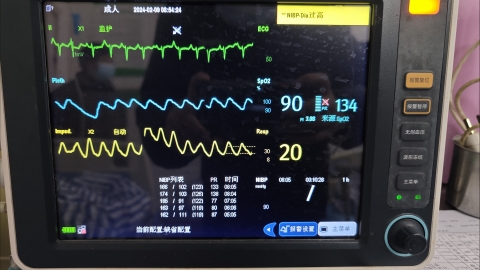
1. Arrhythmia
Arrhythmia is usually related to factors such as emotions and environment. When abnormal conduction of cardiac impulses occurs, symptoms such as rapid or slow heartbeat may appear. At this time, ECG examination may show prolonged PP intervals, absent P waves, widened QRS complexes, etc.
2. Myocardial Ischemia
When the coronary arteries fail to supply sufficient blood, myocardial ischemia may occur, causing symptoms such as chest pain and chest tightness, which may even radiate to the back and other parts of the chest. According to ECG results, ST-segment depression and T-wave inversion may be observed.
3. Cardiomyopathy
Cardiomyopathy is a disease caused by abnormal myocardial structure or function due to factors such as infection or heredity, including dilated cardiomyopathy and hypertrophic cardiomyopathy. Common symptoms include dyspnea and edema. During ECG examination, increased QRS complex voltage and prolonged QRS duration may be detected.
4. Myocardial Infarction
Myocardial infarction is usually associated with factors such as age and heredity. When coronary arteries become occluded and oxygen supply is compromised, symptoms such as chest pain and dyspnea may develop. During ECG examination, abnormal Q waves may be detected, often accompanied by ST-segment elevation or depression.
5. Valvular Heart Disease
There are several types of valvular heart disease, such as mitral valve prolapse and aortic stenosis. These diseases are usually associated with organic heart lesions. If not treated promptly, patients may experience symptoms such as palpitations and shortness of breath. ECG examination can clearly reveal the condition of the heart valves and help analyze the presence of electrophysiological changes.
It should be noted that abnormal ECG results are not necessarily indicative of disease. Diagnosis should be made in combination with clinical symptoms and other tests, and standardized treatment should be conducted under the guidance of a physician. Additionally, regular follow-up visits to the hospital are recommended to monitor cardiac changes promptly.


