


How to treat acne on the nose
Dec 02, 2024
Source: Cainiu Health

Dr. Liu Wenmin
Introduction
Acne on the nose may be caused by overactive sebaceous glands, hormonal imbalances, damaged skin barrier, endocrine disorders, bacterial infections, and other factors. It can be improved according to the specific situation. The sebaceous glands in the nose area are relatively developed. When these glands become overactive, they secrete excessive oil, which can clog pores and lead to acne formation. Use a facial cleanser containing ingredients such as salicylic acid and phenoxyethanol.
Acne on the nose may be caused by overactive sebaceous glands, hormonal imbalances, impaired skin barrier function, endocrine disorders, or bacterial infections, and can be improved according to the specific situation. It is recommended to visit a hospital promptly and receive treatment under a doctor's guidance.
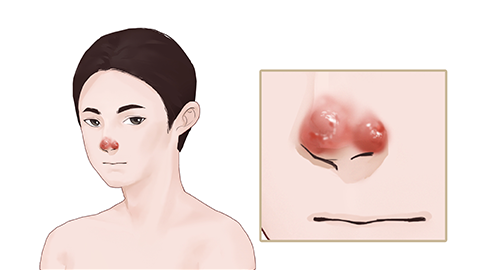
1. Overactive sebaceous glands: The nose area contains abundant sebaceous glands. When these glands become overactive, they may secrete excessive oil, clogging pores and causing acne. Use facial cleansers and skincare products containing ingredients like salicylic acid and phenoxyethanol to help control sebum production and clear dirt from pores.
2. Hormonal imbalances: During physiological stages such as puberty, menstrual cycles, or pregnancy, changes in hormone levels in the body may lead to acne on the nose. Adjust lifestyle habits, ensure adequate sleep and a healthy diet, and avoid consuming high-sugar and high-fat foods.
3. Impaired skin barrier: Improper skincare habits, such as frequent use of harsh cosmetics or facial cleansers, may damage the skin barrier, making the nose area more prone to acne. Maintain a regular sleep schedule, avoid staying up late or overexertion; learn to relax, relieve mental stress, and maintain a pleasant mood.
4. Endocrine disorders: Improper diet and irregular作息 (作息 translates to作息 habits or routines, but it's better to use a natural English equivalent) lifestyle habits may lead to endocrine abnormalities, causing hormonal imbalances and resulting in the aforementioned symptoms. It is recommended to adjust diet and作息 habits promptly, aiming for a light and healthy lifestyle, which may help alleviate symptoms.
5. Bacterial infection: The skin on the nose is prone to bacterial growth, especially Propionibacterium acnes. When bacteria multiply excessively, they can cause acne on the nose, which may be accompanied by symptoms such as pain, itching, and pus-filled pimples. Follow medical advice to use medications such as erythromycin ointment, clindamycin ointment, or adapalene gel to improve the condition.
During the treatment process, it is essential to remain patient and confident, consistently follow the treatment plan, and adhere to medical advice for proper care and follow-up appointments.


