


What teas can help lower high uric acid levels?
Dec 21, 2024
Source: Cainiu Health

Dr. Yang Guang
Introduction
When uric acid levels are elevated,适量 drinking teas such as plantain seed tea, lotus leaf tea, coix seed tea, mulberry leaf tea, and chrysanthemum tea may help lower uric acid levels and control uric acid concentration. These teas have diuretic and detoxifying properties, which can promote uric acid excretion and reduce uric acid production, thereby providing auxiliary therapeutic benefits. However, individual responses may vary, so it is important to choose according to one's own condition.
Generally, when uric acid levels are high, individuals can moderately consume teas such as Plantago seed tea, lotus leaf tea, coix seed tea, mulberry leaf tea, and chrysanthemum tea, which may assist in lowering uric acid levels. If discomfort occurs, prompt medical consultation is recommended. Detailed explanations are as follows:
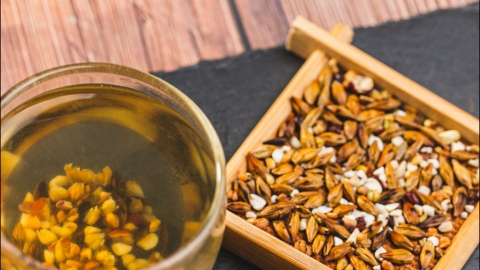
1. Plantago Seed Tea
Plantago seeds have effects of clearing heat, promoting diuresis, and detoxification. Drinking Plantago seed tea can accelerate metabolism, promote uric acid excretion, and reduce uric acid production, thereby helping to lower uric acid levels. Patients with gout or elevated uric acid levels may consume it in moderation.
2. Lotus Leaf Tea
Lotus leaves are cool in nature and possess functions of clearing heat, detoxifying, relieving summerheat, and removing dampness. Drinking lotus leaf tea can help regulate uric acid levels, reduce uric acid concentration in the body, and aid in alleviating symptoms associated with high uric acid levels by promoting uric acid excretion.
3. Coix Seed Tea
Coix seed tea mainly contains coix seeds, which help strengthen the spleen, remove dampness, promote diuresis, and relieve dampness. It assists in eliminating excess dampness from the body, reducing uric acid accumulation, and accelerating uric acid excretion to lower uric acid levels.
4. Mulberry Leaf Tea
Mulberry leaf tea primarily contains mulberry leaves, which have diuretic effects. Its components can help control uric acid levels by promoting uric acid excretion and inhibiting uric acid production.
5. Chrysanthemum Tea
Chrysanthemum has heat-clearing and detoxifying properties. The flavonoids and vitamin C in chrysanthemum have antioxidant effects and can assist in scavenging free radicals. Drinking chrysanthemum tea helps accelerate uric acid excretion and contributes to controlling uric acid levels.
It should be noted that individuals vary, so the effectiveness of these teas may differ from person to person. Regular monitoring is also important, and if uric acid levels continue to rise, timely targeted treatment should be sought.



