How to treat hair loss in men
Dec 23, 2024
Source: Cainiu Health

Dr. Liu Wenmin
Introduction
In general, hair loss in males may be caused by factors such as heredity, unhealthy lifestyle habits, fungal infections, seborrheic dermatitis, or androgenetic alopecia. Treatment or relief can be achieved through general therapy, medication, and other approaches, depending on the specific situation. It is recommended to seek timely medical attention, identify the underlying cause, and undergo symptomatic treatment under a physician's guidance.
Generally, hair loss in males may be caused by genetic factors, unhealthy lifestyle habits, fungal infections, seborrheic dermatitis, or androgenetic alopecia. Treatment or relief can be achieved through general therapy, medication, and other approaches, depending on the specific condition. It is recommended to seek timely medical advice to determine the underlying cause and receive appropriate treatment under a doctor's guidance. Detailed explanations are as follows:
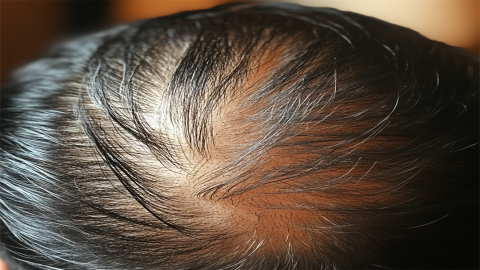
1. Genetic factors: Male hair loss may have a genetic predisposition. If there is a family history of hair loss, the individual's risk of hair loss increases. Adjustments to lifestyle, such as reducing stress and maintaining a healthy diet, may aid in treatment.
2. Unhealthy lifestyle habits: Long-term late-night activities, high mental stress, and an unbalanced diet may lead to endocrine dysfunction, excessive sebum secretion, and clogged hair follicles, thereby causing hair loss. Symptoms may be accompanied by fatigue and oily skin. It is recommended to maintain a regular sleep schedule, go to bed early, wake up early, and avoid staying up late.
3. Fungal infection: Hair loss may occur when hair follicles are damaged by microorganisms or bacteria. In some cases, hair follicles may disappear and scars may form. Patients can use antifungal medications such as naftifine ketoconazole cream, terbinafine hydrochloride cream, or luliconazole cream under a doctor's guidance.
4. Seborrheic dermatitis: This condition may be triggered by genetic factors or skin metabolism issues, causing symptoms such as hair loss and itchy scalp, often accompanied by scalp itching and oiliness. Patients can use medications such as clobetasol propionate cream, betamethasone valerate cream, or halometasone cream under a doctor's guidance.
5. Androgenetic alopecia: This condition is primarily caused by the combined effects of genetic factors and male hormones, leading to follicular atrophy and a shortened hair growth cycle, ultimately resulting in hair loss, often accompanied by a receding hairline. Patients may use medications such as minoxidil solution, selenium sulfide shampoo, or finasteride tablets as directed by a physician.
In daily life, maintaining a clean scalp without over-cleansing is recommended to avoid disrupting the natural oil balance.