


How is polycystic ovary syndrome (PCOS) caused?
Dec 24, 2024
Source: Cainiu Health

Dr. Zhang Lu
Introduction
Polycystic ovary syndrome (PCOS) is a condition caused by a combination of factors including genetic predisposition, stress, hormonal imbalances, obesity, and abnormal adrenal function. If abnormalities are detected, it is recommended to seek medical attention promptly for accurate diagnosis and targeted treatment. Patients with PCOS should maintain a healthy lifestyle, including a balanced diet, regular physical activity, and a positive mental outlook.
Polycystic ovary syndrome (PCOS) results from the combined effects of multiple factors, including genetic predisposition, emotional stress, hormonal imbalances, obesity, and adrenal dysfunction. If abnormalities are detected, timely medical consultation is recommended to identify the underlying cause and implement targeted treatment. Detailed analysis is as follows:
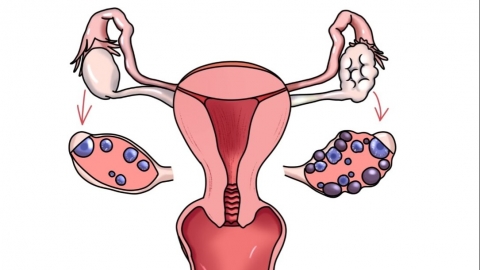
1. Genetic factors: PCOS shows a clear familial clustering, and genetic factors are one of the main causes of its development. Individuals with family members affected by this condition face an increased risk of developing PCOS themselves. It is recommended to follow medical guidance for the use of oral contraceptives such as cyproterone acetate tablets, drospirenone ethinylestradiol tablets, spironolactone tablets, and clomiphene citrate capsules for treatment.
2. Emotional stress: Prolonged emotional stress, anxiety, or other negative emotional states may affect the regulatory function of the hypothalamic-pituitary-ovarian axis, leading to ovarian dysfunction and subsequently triggering PCOS. Patients may experience mood swings and sleep disturbances. It is recommended to adjust one's mindset, maintain a positive and optimistic attitude, engage in relaxation activities such as walking or yoga, and seek psychological counseling when necessary.
3. Hormonal imbalance: Women with PCOS often experience hormonal imbalances such as elevated testosterone levels, excess androgens, and insufficient estrogen secretion by the ovaries. These imbalances may be caused by various factors, including ovarian dysfunction and adrenal cortical abnormalities. Hormonal disturbances can lead to ovarian dysfunction, resulting in symptoms such as ovulatory disorders and ovarian cystic hyperplasia. Lifestyle modifications are recommended, and if necessary, medications such as propylthiouracil tablets, methimazole tablets, and propranolol hydrochloride tablets may be used under medical supervision.
4. Obesity: Obesity can cause insulin receptor dysfunction, impairing the normal action of insulin, thereby worsening insulin resistance and hormonal imbalances. Additionally, obesity may exacerbate metabolic abnormalities and increase the risk of cardiovascular disease in PCOS patients. Lifestyle modifications such as dietary control and increased physical activity should be implemented to reduce weight and improve metabolic status.
5. Adrenal dysfunction: Hyperactivity or dysfunction of the adrenal cortex may lead to excessive secretion of androgens, affecting the entry of estrogen into the bloodstream, which can result in PCOS. Patients with adrenal dysfunction often exhibit symptoms such as anovulation, hirsutism, and acne. Treatment should target adrenal dysfunction, following medical advice to use medications that suppress adrenal cortical function, such as dexamethasone acetate tablets, mitotane tablets, compound reserpine tablets, and other agents to regulate hormone levels.
Patients with PCOS should maintain a healthy lifestyle, including a balanced diet, appropriate physical activity, and a positive mental outlook.






