


What should be done if a child has dental caries?
Dec 25, 2024
Source: Cainiu Health

Dr. Liu Chao
Introduction
In general, children developing dental caries may be related to factors such as dietary habits, poor oral hygiene, reduced saliva secretion, genetic predisposition, and vitamin D deficiency. Patients can alleviate symptoms by adjusting their diet, improving oral hygiene practices, drinking more water, and undergoing regular check-ups. It is recommended that patients seek timely medical attention at a hospital and follow the doctor's instructions for treatment.
Generally, the development of dental caries in children may be related to factors such as dietary habits, poor oral hygiene, reduced saliva secretion, genetic predisposition, and vitamin D deficiency. Patients can alleviate symptoms by adjusting their diet, improving oral hygiene habits, drinking more water, and undergoing regular checkups. It is recommended that patients promptly visit a hospital and follow medical advice for treatment. A detailed analysis is as follows:
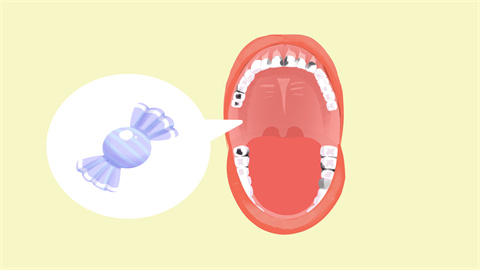
1. Dietary habits: During childhood, a preference for sweets and sticky foods can lead to food residues easily adhering to the tooth surfaces, providing abundant nutrients for bacteria and accelerating the formation of dental caries. Educate children to develop good dietary habits, reduce the consumption of sweets and sticky foods, and increase the proportion of vegetables and fruits.
2. Poor oral hygiene: Children often lack proper brushing techniques and frequency, resulting in plaque and food debris accumulating on the tooth surfaces, creating an environment conducive to bacterial growth. Teach children the correct tooth brushing method, including using appropriate toothbrushes and toothpaste and adopting the correct brushing posture.
3. Reduced saliva secretion: Some children may experience decreased saliva production due to illness or medication, leading to reduced natural cleansing ability of the mouth and increasing the risk of dental caries. It is recommended to drink more water, chew sugar-free gum to stimulate saliva secretion, and avoid medications that cause dry mouth.
4. Genetic factors: Children may inherit susceptibility genes from their parents, making their teeth less resistant to caries. Regular dental checkups are recommended for early detection and treatment of caries. Preventive measures such as using fluoride toothpaste and mouthwash, and applying pit and fissure sealants should also be considered.
5. Vitamin D deficiency: Vitamin D plays an important role in dental health. A deficiency in vitamin D can affect calcium and phosphorus metabolism, reduce tooth mineralization, and increase the risk of dental caries. It is recommended to increase the intake of foods rich in vitamin D, such as fish, egg yolks, and dairy products.
In the treatment process, parents should closely monitor their child's oral health, regularly schedule dental checkups, and promptly detect and address dental caries. Additionally, it is important to enhance children's oral health education and cultivate good oral hygiene habits to prevent the occurrence of dental caries.




