


How to improve oily skin
Dec 25, 2024
Source: Cainiu Health

Dr. Liu Wenmin
Introduction
Oily skin may be caused by pathological factors such as genetic predisposition, unhealthy lifestyle habits, seborrheic dermatitis, and polycystic ovary syndrome. It can usually be treated through lifestyle adjustments, dietary improvements, medication, or professional skincare. It is also important to keep the skin clean and dry, use gentle cleansers and oil-control skincare products, and avoid over-cleansing and squeezing the skin.
Oily skin may be caused by genetic factors, unhealthy lifestyle habits, seborrheic dermatitis, acne, polycystic ovary syndrome, and other pathological factors. It can usually be treated through lifestyle adjustments, dietary improvements, medication, or professional skincare. If there is abnormal increase in sebum secretion or other discomfort symptoms, timely medical consultation is recommended. Detailed analysis is as follows:
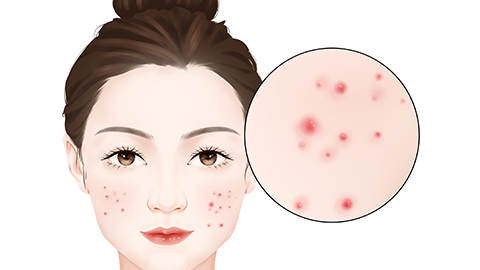
1. Genetic factors: Oily skin may be closely related to genetic factors. Some people are born with overactive sebaceous glands, leading to oily skin. It is recommended for these individuals to maintain good hygiene, use mild facial cleansers and oil-controlling skincare products, and keep the skin清爽.
2. Unhealthy lifestyle habits: Long-term late nights, unbalanced diet, and high mental stress may affect the normal metabolism of the skin, leading to increased oil secretion. It is recommended to adjust the schedule, ensure sufficient sleep, maintain regular eating habits, consume adequate fiber and vitamins, and learn to relax and reduce mental stress.
3. Acne: Acne is usually caused by blockage of hair follicles due to oil, bacteria, and dead skin cells, presenting as comedones, papules on the face, back, and other areas. Mild facial cleansers and oil-controlling skincare products can be used, or medications such as tretinoin cream, adapalene gel, minocycline hydrochloride capsules may be used under medical guidance to relieve symptoms, along with light therapy or laser treatment.
4. Seborrheic dermatitis: Seborrheic dermatitis is generally caused by factors such as genetics and infection, mainly manifesting as oily skin, itching, and flaking. It is recommended to use medications like tacrolimus ointment, pimecrolimus cream, itraconazole capsules under a doctor's guidance, and maintain skin cleanliness and dryness.
5. Polycystic ovary syndrome: Polycystic ovary syndrome is a common endocrine disorder that may lead to elevated androgen levels in women, causing symptoms such as oily skin, acne, and hirsutism. The main treatment methods include lifestyle adjustments such as dietary control and increased physical activity, while following medical advice to use medications like cyproterone acetate tablets, drospirenone ethinyl estradiol tablets, spironolactone tablets, and considering surgical treatment if necessary.
It is also important to keep the skin clean and dry, use mild facial cleansers and oil-controlling skincare products, and avoid excessive cleansing and squeezing of the skin. Additionally, maintaining a healthy lifestyle including balanced diet, moderate exercise, and a positive mindset can also help improve oily skin.


