


What to do about vitreous opacity
Dec 25, 2024
Source: Cainiu Health

Dr. Wang Shuai
Introduction
Vitreous opacity may be caused by aging, high myopia, vitreous hemorrhage, uveitis, endophthalmitis, retinal detachment, and other conditions. It is usually treated through observation, wearing glasses, or medical, surgical, or laser treatments targeting the underlying cause. In daily life, it is important to maintain good eye hygiene, avoid eye trauma, and undergo regular eye examinations to prevent the occurrence of eye diseases.
Vitreous opacity may be caused by aging, high myopia, vitreous hemorrhage, uveitis, endophthalmitis, retinal detachment, and other conditions. It is usually treated through observation, wearing glasses, medication, surgery, or laser therapy targeting the underlying cause. If abnormalities occur, timely medical consultation is recommended. Detailed analysis is as follows:
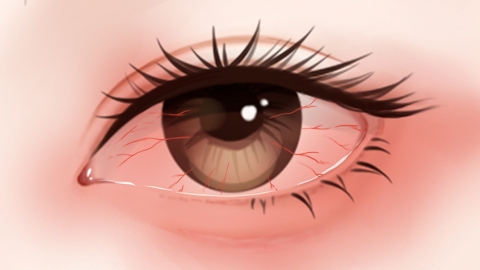
1. Aging: With increasing age, the vitreous may gradually undergo liquefaction and degeneration, leading to vitreous opacity. This is a natural physiological process and generally does not require specific treatment. However, if the opacity severely affects vision, laser treatment or vitrectomy may be considered.
2. High Myopia: Patients with high myopia caused by poor eye habits, genetic factors, or other reasons have longer axial lengths of the eye. The vitreous may undergo degeneration due to excessive traction, resulting in opacity. These patients may also experience symptoms such as decreased vision and narrowed visual fields. It is recommended to wear appropriate myopic glasses, and surgical interventions such as posterior scleral reinforcement may also be considered when necessary.
3. Vitreous Hemorrhage: Trauma, diabetic retinopathy, or other factors may cause rupture of blood vessels in the vitreous, leading to bleeding and subsequent vitreous opacity. Symptoms may include decreased vision and floating dark shadows in the visual field. Treatment methods mainly involve medication for hemostasis, laser therapy, or surgical treatment depending on the volume and cause of bleeding.
4. Uveitis: Uveitis is an inflammatory condition of the uveal tissue inside the eye, which may cause vitreous opacity and symptoms such as eye pain, photophobia, and tearing. Anti-inflammatory medications such as diclofenac sodium sustained-release tablets, dexamethasone acetate tablets, and indomethacin sustained-release capsules can be used as prescribed by a physician. Surgical treatment may also be considered when necessary.
5. Retinal Detachment: Retinal detachment refers to the separation of the retina from the wall of the eyeball, which may be related to factors such as high myopia and trauma. It may cause vitreous opacity, accompanied by symptoms such as decreased vision and visual field blockage. Surgery, such as scleral buckling or vitrectomy combined with retinal repositioning, is generally recommended to restore the normal position and function of the retina.
In daily life, maintaining ocular hygiene, avoiding ocular trauma, and undergoing regular eye examinations are recommended to prevent the occurrence of ocular diseases.




