What tea to drink in autumn and winter
Dec 27, 2024
Source: Cainiu Health

Dr. Yang Ziqi
Introduction
Generally, teas suitable for consumption during the autumn and winter seasons include black tea, Pu'er tea, oolong tea, flower tea, and osmanthus tea. These teas not only offer unique flavors and pleasant aromas, but also contain rich nutritional value and health benefits, helping to warm the body, strengthen physical condition, and prevent diseases. In addition to drinking tea, it is also important to maintain a balanced diet and ensure sufficient protein intake.
Generally, teas suitable for consumption during the autumn and winter seasons include black tea, pu'er tea, oolong tea, flower tea, and osmanthus tea. A detailed analysis is as follows:
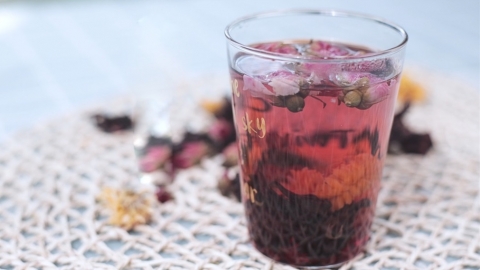
1. Black Tea
Black tea is rich in beneficial components such as theaflavins and thearubigins. It has a mild nature, generates warmth, and warms the abdomen, making it especially suitable for drinking in autumn and winter. Black tea not only promotes blood circulation and raises body temperature, but also enhances the body's cold resistance and helps prevent colds.
2. Pu'er Tea
Pu'er tea has a mild nature and contains various beneficial bacteria that aid digestion, making it particularly suitable for situations involving higher intake of high-fat foods during autumn and winter. Additionally, pu'er tea can help lower blood lipids and blood sugar levels, and plays a certain role in preventing cardiovascular and cerebrovascular diseases, making it especially suitable for middle-aged and elderly people.
3. Oolong Tea
Oolong tea has a neutral nature, neither too cold nor too hot, and is rich in nutritional components such as tea polyphenols, amino acids, vitamins, and minerals. It helps stimulate saliva, quench thirst, moisten the throat, and relieve dryness. In the dry environment of autumn and winter, moderate consumption of oolong tea can alleviate throat discomfort and maintain oral moisture.
4. Flower Tea
Flower tea contains abundant nutrients such as tea polyphenols and vitamin C, and has a strong floral aroma. It helps improve appetite and can alleviate the problem of poor appetite caused by cold weather in autumn and winter. Moreover, flower tea has effects such as clearing heat and detoxifying, moistening the lungs, and relieving cough, thus offering some preventive benefits against common respiratory diseases during these seasons.
5. Osmanthus Tea
Osmanthus tea has the effect of warming the stomach and dispelling cold, helping the body to expel cold and maintain warmth, and promoting blood circulation. During autumn and winter, moderate consumption of osmanthus tea can relieve symptoms such as cold hands and feet and cold intolerance caused by low temperatures.
In addition to drinking tea, it is also important to maintain a balanced diet and ensure sufficient intake of nutrients such as protein, fat, carbohydrates, and vitamins. At the same time, one should appropriately increase the consumption of fiber-rich foods to promote intestinal motility and maintain overall health.