


How to Fade Scars
Dec 30, 2024
Source: Cainiu Health

Dr. Liu Wenmin
Introduction
In general, scars refer to scars or cicatrices. Methods for reducing the appearance of scars include medication, laser treatment, surgical treatment, massage, and lifestyle adjustments. There are various approaches to diminishing scars, and patients should choose suitable methods based on their individual circumstances. At the same time, maintaining a positive mindset and patience is also very important. Before undergoing any treatment, it is recommended to consult with a professional physician.
Generally speaking, scars refer to scars (the same word in Chinese). Methods for fading scars include medication treatment, laser therapy, surgical treatment, massage, and lifestyle adjustments. A detailed explanation is as follows:
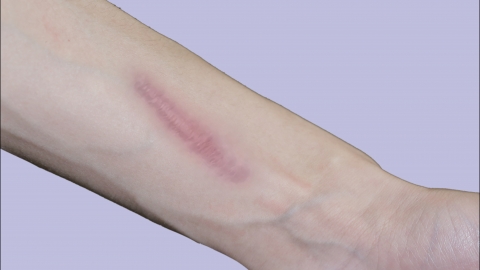
1. Medication Treatment
Under a doctor's guidance, medications such as scar-relief anti-itch ointment, asiaticoside cream, recombinant bovine basic fibroblast growth factor gel, and others can be used. These medications usually contain ingredients that stimulate skin cell regeneration, promote collagen synthesis, or inhibit melanin production, which can help fade scars.
2. Laser Therapy
Laser treatment is one of the effective methods for fading scars. Using selective photothermolysis, the laser can precisely target scar tissue, stimulating collagen regeneration and remodeling, thereby reducing the visibility of scars. Laser therapy is suitable for various types of scars, including superficial scars, hypertrophic scars, and others.
3. Surgical Treatment
For larger or cosmetically bothersome scars, surgical excision may be considered. After surgical removal of the scar, skin flap transplantation or suturing is usually required to promote wound healing and skin regeneration.
4. Massage
Mild massage of the scar area can help improve blood circulation and lymphatic drainage, thereby accelerating scar fading and tissue repair. Gentle techniques should be used during massage to avoid excessive skin irritation.
5. Lifestyle Adjustments
Maintaining sufficient sleep and regular作息 (作息 translates as rest and activity patterns) helps skin cell regeneration and repair. At the same time, a balanced diet rich in protein, vitamins, and minerals supports skin health and scar fading.
There are various methods for fading scars, and patients should choose the most suitable approach according to their individual conditions. Maintaining a positive mindset and patience are also very important. It is recommended to consult with a qualified physician before undergoing any treatment.


