


Does normal liver function mean there is no liver disease?
Dec 30, 2024
Source: Cainiu Health

Dr. Gao Jun
Introduction
Under normal circumstances, normal liver function does not completely indicate the absence of liver disease. Liver function tests are a method used to assess liver health, but they mainly reflect the liver's basic metabolic, detoxification, and synthetic functions, rather than liver structure or all types of liver diseases. In daily life, it is important to maintain good lifestyle and dietary habits.
Generally speaking, normal liver function does not completely indicate the absence of liver disease. Detailed explanation is as follows:
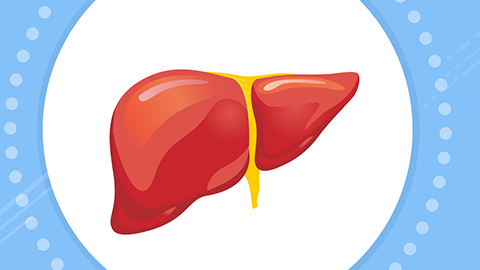
Liver function tests are a method to assess liver health, but they mainly reflect the liver's basic metabolic, detoxification, and synthetic functions, rather than liver structure or all types of liver diseases. In the early stages of certain liver diseases, liver damage may not have progressed to the extent of affecting liver function. For example, in the early or compensated stage of cirrhosis, the liver may still maintain certain functions, so liver function tests may show normal results. Some liver diseases, such as chronic hepatitis, can have active and inactive phases, and during the inactive phase, liver function may also be normal. In addition, benign lesions such as liver hemangiomas and liver cysts generally do not affect liver function.
Therefore, even if liver function test results are normal, if there are symptoms of liver disease or risk factors for liver disease, such as long-term alcohol consumption, exposure to hepatotoxic drugs, or chronic hepatitis virus infection, further examinations and evaluations are still necessary. These may include liver imaging studies, liver biopsy, etc., to ensure a comprehensive assessment of liver health.
In daily life, it is important to maintain good living and dietary habits, avoid high-fat, high-sugar, and high-salt diets, quit smoking, limit alcohol consumption, and reduce damage to the liver caused by harmful substances.


