


What types of keloids are there?
Jan 25, 2025
Source: Cainiu Health

Dr. Liu Wenmin
Introduction
Under normal circumstances, keloid refers to a hypertrophic scar. Hypertrophic scars can be divided into primary hypertrophic scars and secondary hypertrophic scars. The formation of primary hypertrophic scars is related to individual constitution and genetic factors. Secondary hypertrophic scars are mostly caused by excessive proliferation of damaged tissue and denaturation of subcutaneous tissue due to burns, infections, suppuration, or treatments such as surgery or laser therapy.
Generally speaking, keloids refer to hypertrophic scars. Hypertrophic scars can be divided into primary hypertrophic scars and secondary hypertrophic scars. The detailed classification is as follows:
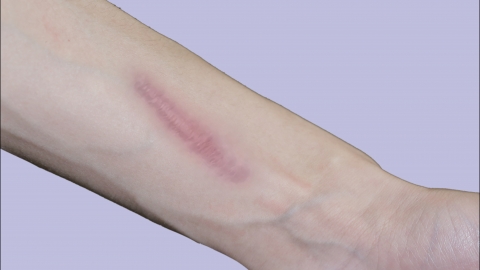
1. Primary Hypertrophic Scars
Primary hypertrophic scars are associated with individual constitution and genetic factors. Some people are born with fragile skin or poor self-healing ability, making them prone to developing hypertrophic scars after skin damage. These scars typically appear on the chest or upper back. Initially, they present as small red spots accompanied by itching, and then gradually enlarge and harden. Their color may be red or dark red, and their shapes vary, including linear, butterfly-shaped, round, or irregular forms. They may be accompanied by mild pain or discomfort.
2. Secondary Hypertrophic Scars
Secondary hypertrophic scars often form due to excessive tissue proliferation and subcutaneous tissue destruction following burns, infections, abscesses, or treatments such as surgery or laser therapy. These scars usually protrude from the skin surface, appearing red or dark red with irregular shapes. Some hypertrophic scars have visibly dilated capillaries on their surface and have a hard texture. They may be accompanied by intense itching and a burning sensation.
In daily life, one should avoid consuming spicy and irritating foods to reduce itching and discomfort in scarred areas. Maintaining a balanced diet and consuming more foods rich in vitamins and proteins can help promote skin health.




