


How long does it take for the flu vaccine to produce antibodies?
Feb 10, 2025
Source: Cainiu Health

Dr. Ren Yi
Introduction
Antibodies typically develop within 1 to 2 weeks after receiving the influenza vaccine, although the exact timing may vary due to individual differences. Some vaccine recipients may have immune systems that respond more quickly to the antigen components in the vaccine, allowing antibodies to develop shortly after vaccination. In other cases, the immune system may require a longer period to recognize the vaccine's antigens and initiate an immune response.
Generally, antibodies develop within 1 to 2 weeks after receiving the influenza vaccine. However, the time required for antibody production may vary among individuals due to differences in immune response. If concerned, it is recommended to consult a healthcare professional in advance. Detailed explanations are as follows:
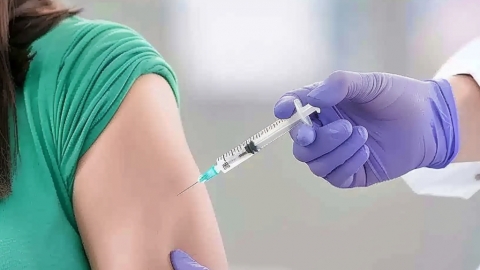
Some vaccine recipients may have immune systems that respond more quickly to the antigen components in the vaccine, allowing antibodies to develop shortly after vaccination. These individuals may generally have better physical health and stronger immunity, thereby achieving sufficient antibody levels within about one week and gaining immune protection against the influenza virus.
Other vaccine recipients may require a longer time for their immune systems to recognize the antigen components in the vaccine and initiate an immune response. These individuals may be older, have weaker physical conditions, or suffer from chronic diseases, which may delay the production of antibodies. Such recipients may achieve sufficient antibody levels approximately two weeks after vaccination and thereby gain immune protection against the influenza virus.
Vaccine recipients are advised to remain patient after receiving the influenza vaccine and follow the doctor's recommendations for post-vaccination care and observation. Additionally, during peak flu season, individuals are advised to strengthen personal protection, enhance awareness of self-prevention, and reduce the risk of infection.





