


Can milk be consumed with wolfberries (goji berries)?
Feb 19, 2025
Source: Cainiu Health

Dr. Yu Yongchao
Introduction
Under normal circumstances, milk can be consumed together with wolfberries (Lycium barbarum). From the perspective of Traditional Chinese Medicine (TCM), the properties, channels of entry, and functions of milk and wolfberries do not conflict. Milk is cold in nature, sweet in taste, and enters the heart, lung, and stomach meridians, possessing functions of nourishing deficiency and benefiting the lungs and stomach. Wolfberries, on the other hand, are neutral in nature and sweet in taste, containing various amino acids and vitamins, and have functions of nourishing the liver and kidneys, and improving vision.
Under normal circumstances, milk can be consumed together with wolfberries (Lycium barbarum). The detailed analysis is as follows:
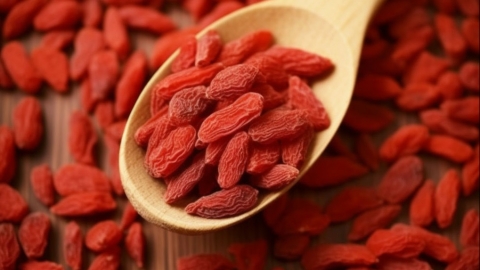
From the perspective of traditional Chinese medicine, there is no conflict between milk and wolfberries regarding their properties, taste, channels of entry, or functions. Milk is cold in nature, sweet in taste, and enters the heart, lung, and stomach meridians, exerting effects of nourishing deficiency syndromes and benefiting the lungs and stomach. Wolfberries are neutral in nature, sweet in taste, and contain various amino acids and vitamins, providing functions such as nourishing the liver and kidneys and improving vision. Therefore, consuming milk and wolfberries together does not result in adverse interactions; rather, it helps maintain overall health and provides certain nourishing benefits to the body.
Both milk and wolfberries are rich in nutrients. Milk contains abundant protein, lactose, minerals, and vitamins, providing substantial nutritional support to the body. Wolfberries contain various bioactive components, such as Lycium barbarum polysaccharides and amino acids, which offer anti-fatigue, antioxidant, and immune-enhancing effects. Consuming milk and wolfberries together allows for a more comprehensive intake of nutrients, thus providing better nutritional support for the body.
However, certain special populations, such as individuals with lactose intolerance or allergies to milk or wolfberries, should avoid or cautiously consume these products.





