


When can symptoms of intestinal obstruction in newborns become apparent?
Feb 21, 2025
Source: Cainiu Health

Dr. Zhou Xiaofeng
Introduction
If intestinal obstruction is caused by congenital intestinal malformations, such as congenital intestinal atresia or congenital megacolon, symptoms often become apparent shortly after birth, usually within 3 to 24 hours. These malformations obstruct the normal passage of the intestines, preventing the newborn from passing meconium normally, and may result in symptoms such as abdominal distension and vomiting. The abdominal distension may progressively worsen.
Intestinal obstruction caused by congenital intestinal malformations usually manifests within 3-24 hours, while obstruction due to acquired factors may appear 2-7 days later, with the exact timing varying among individuals. If any symptoms of discomfort occur, it is recommended to seek medical attention at a hospital promptly and follow the doctor's instructions for treatment.
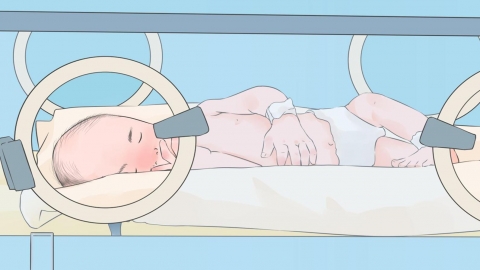
If intestinal obstruction is caused by congenital intestinal malformations such as intestinal atresia or Hirschsprung's disease, distinct symptoms often appear shortly after birth, typically within 3-24 hours. These malformations obstruct the normal passage of the intestines, preventing the newborn from passing meconium normally and causing symptoms such as abdominal distension and vomiting. The abdominal distension may progressively worsen, and the vomitus may initially consist of gastric contents and later contain bile.
In some cases, symptoms of intestinal obstruction may not become apparent until 2-7 days after birth. For example, obstructions caused by acquired factors such as intestinal inflammation, foreign body blockage, or tumors may not manifest immediately. Newborns in these situations may exhibit symptoms including difficulty feeding, abdominal pain, persistent vomiting, and palpable abdominal masses.
Medical staff and parents should closely monitor the newborn's condition, including bowel movements, abdominal appearance, and reactions after feeding, which can help detect signs of intestinal obstruction earlier.






