


Can Pregabalin Capsules Treat Headaches?
Feb 21, 2025
Source: Cainiu Health

Dr. Lv Zhiqin
Introduction
Pregabalin capsules have analgesic, anti-anxiety, and mood-stabilizing effects. Clinically, they are primarily used to treat neuropathic pain symptoms following varicella-zoster virus infection, and can also be used to treat diabetic neuropathy, fibromyalgia, and neuropathic pain due to spinal cord injury. If a patient's headache belongs to one of these types, especially neuropathic pain, pregabalin may be considered.
Pregabalin capsules are usually effective in treating headaches caused by post-viral infections, such as neuralgia following herpes zoster infection, as well as headaches caused by diabetic neuropathy and fibromyalgia. However, for tension-type headaches or migraines, this medication generally does not provide therapeutic effects. It is recommended to seek timely medical attention, identify the underlying cause, and undergo symptomatic treatment under the guidance of a qualified physician.
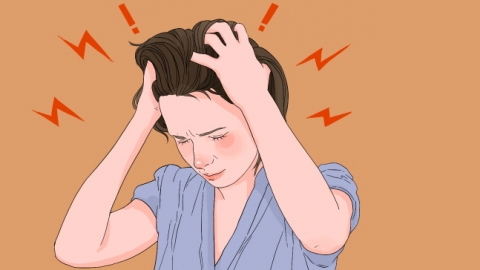
Pregabalin capsules have analgesic, anti-anxiety, and mood-stabilizing properties. Clinically, they are primarily used to treat neuropathic pain following varicella-zoster virus infection, such as post-herpetic neuralgia, and can also be used to treat diabetic neuropathy, fibromyalgia, and spinal cord injury-related neuropathic pain. If a patient's headache belongs to these types, especially neuropathic pain, pregabalin capsules may be an effective treatment option.
However, it should be noted that pregabalin capsules have limited efficacy for common tension-type headaches, migraines, or headaches caused by other non-neuropathic factors. These types of headaches are more commonly treated with over-the-counter pain medications or specific migraine treatments. Before considering pregabalin capsules for headache treatment, it is important to consult a qualified physician to ensure the medication is appropriate for the individual's health condition and type of headache.
Patients should use this medication strictly according to medical advice and should not take it arbitrarily. During treatment, patients should follow their physician's instructions, maintain a light diet, ensure adequate rest, monitor drug reactions, and attend regular follow-up appointments to allow timely adjustments to the treatment plan.








