


How to recover from high myopia
Feb 24, 2025
Source: Cainiu Health

Dr. Wang Shuai
Introduction
High myopia may be caused by factors such as genetic predisposition,不良 eye habits, abnormal eye development, lens disorders, and retinal diseases. It can usually be treated by wearing appropriate glasses or contact lenses, undergoing vision therapy, or surgical treatment. If you experience sudden vision loss or other eye discomfort, it is recommended to seek medical attention promptly.
High myopia may be caused by genetic factors, poor eye habits, abnormal eye development, lens diseases, retinal diseases, and other factors. It can usually be treated by wearing appropriate glasses or contact lenses, undergoing vision training, or receiving surgical treatment. If there is a sudden decline in vision or other eye discomfort, prompt medical attention is recommended. Detailed analysis is as follows:
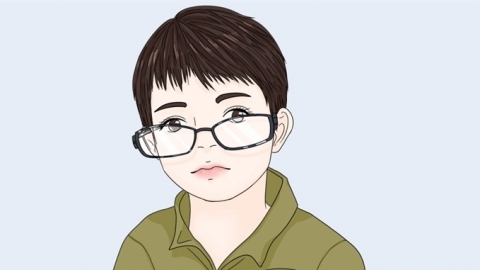
1. Genetic factors: High myopia is significantly influenced by heredity. If either or both parents have high myopia, the probability of their children developing it increases. Vision can be corrected by wearing appropriate glasses or contact lenses. Some eligible adult patients may also choose laser surgery for correction.
2. Poor eye habits: Prolonged close-up reading, viewing mobile phones or computers, and insufficient outdoor activity time can all contribute to the development of myopia. It is recommended to improve eye habits, such as maintaining correct reading posture, controlling eye usage time, and increasing outdoor activity time to slow the progression of myopia.
3. Abnormal eye development: Abnormal eye development, such as an excessively long axial length of the eyeball, may lead to high myopia. This abnormality prevents light from accurately focusing on the retina, resulting in blurred vision. Symptoms may include vision loss and narrowed visual field. Correction can be achieved by wearing appropriate glasses or contact lenses. Eligible adult patients may also consider laser surgery or intraocular refractive surgery to correct vision.
4. Lens diseases: The lens is responsible for adjusting focus. When lens diseases occur, such as cataracts or lens dislocation, light may fail to focus correctly on the retina, causing high myopia. Symptoms may include vision loss, glare, and abnormal color perception. Treatment options depend on the severity of the disease and may include wearing glasses, contact lenses, or undergoing surgery.
5. Retinal diseases: The retina contains photoreceptor cells and is responsible for converting light into neural signals. When retinal diseases occur, such as retinal detachment or macular degeneration, severe vision impairment can result, leading to high myopia, as well as symptoms like blurred vision and visual field defects. Treatments may include laser therapy or surgical intervention, depending on the type and severity of the disease.
In daily life, maintaining healthy eye habits is important, including appropriate reading distance and duration, engaging in outdoor activities regularly, and undergoing periodic eye examinations to prevent the onset and progression of myopia.




