


Is glaucoma serious?
Nov 19, 2025
Source: Cainiu Health

Dr. Wang Lei
Introduction
In general, the seriousness of glaucoma depends on the timing of intervention. If detected early and properly treated, it is usually not a major concern; however, if diagnosis and treatment are delayed, leading to optic nerve damage, it becomes very serious. Regular eye examinations should be part of daily health habits, especially for high-risk individuals such as those with a family history of glaucoma or high myopia. Avoid prolonged stays in dark environments and reduce eye strain.
Generally speaking, the seriousness of glaucoma depends on the timing of intervention. If detected early and treated properly, glaucoma is usually not serious; however, if diagnosis and treatment are delayed, leading to optic nerve damage, it becomes very serious. A detailed analysis is as follows:
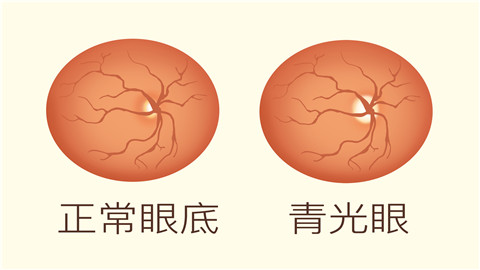
In the early stages, glaucoma often has no obvious symptoms. Some patients may only occasionally experience eye discomfort or blurred vision. If medical attention is sought promptly at this stage, a definitive diagnosis can be made through tests such as intraocular pressure measurement and visual field examination. The condition can then be controlled with pressure-lowering medications or laser therapy. With proper treatment, intraocular pressure remains stable within a safe range, preventing further optic nerve damage, allowing patients to maintain normal vision and live regular daily lives without significant impact.
If glaucoma is not detected in time or if patients fail to follow medical advice after diagnosis, persistently high intraocular pressure will continuously damage the optic nerve. This damage is irreversible and leads progressively to narrowing of the visual field and declining vision. In advanced stages, patients may retain only light perception or even become completely blind, severely affecting their quality of life. At this point, the condition is extremely serious, and lost visual function cannot be restored.
Routine regular eye examinations are essential, especially for high-risk individuals such as those with a family history of glaucoma or high myopia. Avoid prolonged stays in dark environments, reduce eye strain, maintain emotional stability, and avoid intense emotional fluctuations that could elevate intraocular pressure.





