


What are the symptoms of intestinal obstruction?
Mar 12, 2025
Source: Cainiu Health

Dr. Wang Lei
Introduction
Under normal circumstances, the main symptoms of intestinal obstruction include abdominal pain, vomiting, abdominal distension, cessation of defecation and flatus, and hyperactive bowel sounds. When intestinal obstruction occurs, the intestine above the obstructed segment will exhibit strong peristalsis, attempting to push intestinal contents through the obstructed area. This intense intestinal motility stimulates the intestinal nerves, thereby causing abdominal pain, which generally presents as paroxysmal colicky pain.
Under normal circumstances, the main symptoms of intestinal obstruction include abdominal pain, vomiting, abdominal distension, cessation of defecation and flatus, and hyperactive bowel sounds. A detailed analysis is as follows:
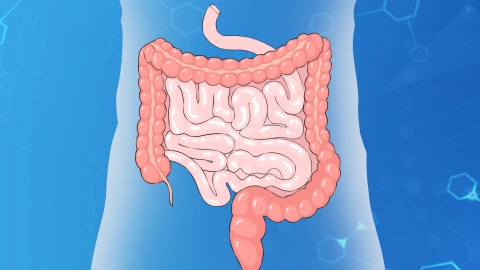
1. Abdominal Pain
When intestinal obstruction occurs, the intestine above the obstructed segment will exhibit strong peristalsis in an attempt to push the intestinal contents through the obstructed area. This intense intestinal motility stimulates the intestinal nerves, thereby causing abdominal pain. It generally presents as paroxysmal colicky pain, commonly located in the middle of the abdomen, but may also be localized near the obstructed site.
2. Vomiting
Intestinal obstruction prevents the normal downward movement of intestinal contents, causing them to accumulate above the obstructed segment. This leads to intestinal dilation and increased intraluminal pressure, which stimulates the vomiting center in the gastrointestinal tract, resulting in vomiting. In the early stages, vomiting typically consists of gastric contents and gastric juice. As the obstruction persists, bile and intestinal fluid may be vomited.
3. Abdominal Distension
Due to the obstruction, gas and fluid within the intestine cannot pass smoothly and accumulate in the intestinal segment above the obstruction, causing intestinal dilation and resulting in abdominal distension.
4. Cessation of Defecation and Flatus
Following the occurrence of intestinal obstruction, the patency of the intestine is disrupted, preventing the expulsion of intestinal gas and feces through the anus, which may lead to the cessation of defecation. However, in the early stages of obstruction, especially in cases of high intestinal obstruction, small amounts of gas and feces may still be passed.
5. Hyperactive Bowel Sounds
During intestinal obstruction, the intestine proximal to the obstruction intensifies peristalsis in an effort to overcome the blockage. The movement of gas and fluid within the vigorously contracting intestine results in enhanced and high-pitched bowel sounds, characterized by the presence of tinkling sounds or metallic tones.
The symptoms of intestinal obstruction vary widely. If the above symptoms occur, prompt medical attention and professional treatment should be sought.






