


How to manage fatigue during the decompensation stage of liver dysfunction
Mar 14, 2025
Source: Cainiu Health

Dr. Gao Jun
Introduction
In general, patients in the decompensated stage of liver dysfunction often experience fatigue. This is due to impaired liver function, which leads to the body's inability to effectively metabolize and store energy. To address this symptom, measures such as ensuring adequate rest, adjusting dietary habits, psychological regulation and emotional management, pharmacological support, and acupuncture or massage therapy may be employed.
Generally, patients in the decompensated stage of liver dysfunction often experience fatigue. This occurs because liver damage impairs the body's ability to effectively metabolize and store energy. To address this symptom, measures such as ensuring adequate rest, adjusting dietary habits, psychological regulation and emotional management, pharmacological support, and acupuncture or massage therapy can be employed. A detailed analysis is as follows:
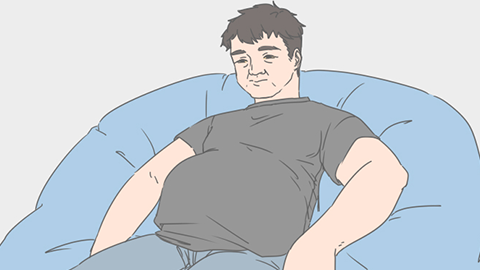
1. Ensure Adequate Rest
Patients in the decompensated stage of liver function should increase their sleep duration, ensuring sufficient rest each day, with a general recommendation of 7–9 hours daily. Excessive fatigue should be avoided, and unnecessary physical exertion minimized to reduce the burden on the liver.
2. Adjust Dietary Habits
A dietary approach of low salt, low fat, and high protein can help reduce the burden on the liver and promote recovery. Patients should consume more foods rich in vitamins and minerals, while avoiding oily, spicy, or irritating foods that could worsen liver damage.
3. Psychological Regulation and Emotional Management
Patients in the decompensated phase of liver disease often face psychological stress and anxiety due to their condition, which can exacerbate fatigue. Learning to regulate emotions and maintaining a positive and optimistic mindset are important. Deep breathing and meditation can help relieve stress and improve emotional well-being.
4. Pharmacological Support
For fatigue associated with decompensated liver function, medications such as polyene phosphatidylcholine capsules, colchicine tablets, and spironolactone capsules may be used under a physician's guidance to help improve liver function and alleviate fatigue. However, it is essential to follow medical instructions when using medications.
5. Acupuncture and Massage
Acupuncture performed under the guidance of a qualified traditional Chinese medicine practitioner can help regulate bodily functions and alleviate fatigue. Massaging acupoints such as Taichong (LV3) and Sanyinjiao (SP6) can promote blood circulation and relieve fatigue. However, attention should be paid to the intensity and duration of massage to avoid excessive stimulation that may cause discomfort.
It should be noted that these measures should be implemented under the guidance of a physician to ensure safety and effectiveness of treatment. Additionally, patients should closely monitor changes in their condition, seek timely medical care, and follow medical advice for treatment.
References:
[1] Bai Huijun, Min Ying, He Lingling. Nursing Care for 236 Patients with Liver Cirrhosis in the Stage of Hepatic Decompensation. Medical Information (Middle旬刊), 2011, 24(03): 1030-1031.
[2] Dong Lai, Niu Junqi. Niu Junqi: How to Prevent Hepatic Decompensation in Patients with Liver Cirrhosis. Liver Doctor, 2016, (01): 18-20.






