


Can frozen vegetables retain their nutritional value after thawing?
Mar 14, 2025
Source: Cainiu Health

Dr. Yu Yongchao
Introduction
Frozen vegetables can retain most of their nutrients after thawing if properly handled and stored. However, improper handling or prolonged storage may lead to nutrient loss. To ensure the nutritional value of frozen vegetables, choose high-quality products that have been well-preserved, and use appropriate thawing and cooking methods. Additionally, pay attention to storage duration to avoid nutrient loss caused by long-term storage.
Generally speaking, frozen vegetables can retain most of their nutrients after thawing if they are properly processed and stored. However, improper handling or prolonged storage may lead to nutrient loss. Detailed analysis is as follows:
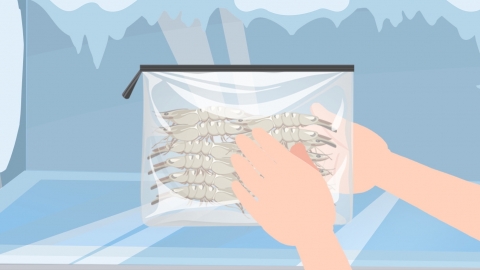
When frozen vegetables are quickly frozen and stored under low-temperature conditions, their nutritional components such as vitamins, minerals, and dietary fiber can largely be preserved. During the thawing process, if appropriate methods are used, such as refrigerator thawing or cold water thawing, and room temperature thawing—which can cause nutrient loss and bacterial contamination—is avoided, the nutritional value of frozen vegetables can be well maintained.
However, if frozen vegetables are not properly processed before freezing—such as washing, cutting, and packaging—nutrients may be lost during the freezing process. Even under optimal storage conditions, the nutritional components of frozen vegetables will gradually degrade over time if stored for too long. Additionally, improper handling during thawing, such as nutrient loss and bacterial contamination caused by thawing at room temperature, and cellular structure damage caused by repeated freezing and thawing, can further reduce the nutritional value of frozen vegetables.
To ensure the nutritional value of frozen vegetables, it is recommended to choose high-quality products that have been properly stored, and to use appropriate thawing and cooking methods. It is also important to pay attention to storage duration and avoid prolonged storage, which may result in nutrient loss.


