


What are the causes of polycystic ovary syndrome?
Jun 19, 2025
Source: Cainiu Health

Dr. Zhang Lu
Introduction
In general, the main causes of polycystic ovary syndrome (PCOS) include genetic factors, irregular作息 (作息 should be translated as "作息" is missing in the provided answer, but based on context it likely refers to "lifestyle作息" or "daily routine"), prolonged emotional distress, obesity, and medication factors. If discomfort symptoms occur, it is recommended to seek timely medical consultation and treatment at a正规 hospital. Patients with PCOS may use medications such as progesterone capsules, dydrogesterone tablets, and letrozole tablets under a doctor's guidance.
Note: The word "作息" does not have a direct equivalent in English but refers to daily routines or lifestyle habits. It is best translated in context. Also, "正规" has been translated as "qualified" or "standard," but "accredited" or "reputable" could also be appropriate depending on context.
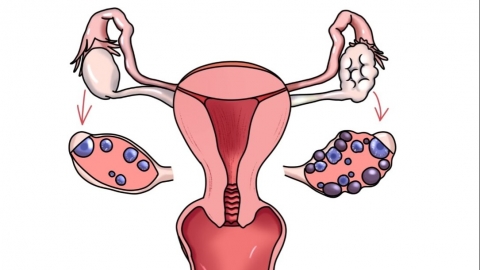
Generally, the main causes of polycystic ovary syndrome (PCOS) include genetic factors, irregular sleep patterns, prolonged emotional distress, obesity, and medication-related factors. If discomfort symptoms occur, it is recommended to seek timely diagnosis and treatment at a reputable hospital. Detailed explanations are as follows:
1. Genetic Factors
Polycystic ovary syndrome shows a clear familial clustering. If female relatives in the family have this condition, the individual's risk of developing PCOS increases. This may be related to variations in certain genes that might affect hormone synthesis, metabolism, and ovarian development and functional regulation.
2. Irregular Sleep Patterns
When sleep patterns become irregular, such as frequent late nights or reversed day-night cycles, the body's biological clock is disrupted, leading to endocrine system disorders. Hormonal imbalances can cause dysfunction of the hypothalamic-pituitary-ovarian axis, affecting the normal secretion of hormones such as gonadotropin-releasing hormone, follicle-stimulating hormone, and luteinizing hormone.
3. Prolonged Emotional Distress
Long-term states of anxiety, depression, excessive stress, and other negative emotions can adversely affect the neuroendocrine system. Hypothalamic dysfunction leads to disordered secretion of gonadotropin-releasing hormone, which subsequently affects the pituitary gland's secretion of follicle-stimulating hormone and luteinizing hormone, impairing ovarian function and increasing the risk of PCOS.
4. Obesity
Adipose tissue secretes various hormones and cytokines, such as leptin, adiponectin, and tumor necrosis factor-alpha. In obesity, leptin levels increase, but the body's sensitivity to leptin decreases, leading to leptin resistance. Additionally, obesity is often accompanied by insulin resistance. Hyperinsulinemia stimulates the ovaries to secrete excessive androgens, inhibits follicular maturation and ovulation, and promotes the development of polycystic ovarian changes.
5. Medication Factors
Certain medications may affect the endocrine system and thereby induce PCOS. For example, long-term use of some antiepileptic drugs, such as sodium valproate, may interfere with the body's hormonal metabolism and balance. These drugs may impact the liver's ability to inactivate hormones or affect hormone receptor sensitivity, leading to elevated androgen levels and disrupted estrogen and progesterone secretion, which impairs normal ovarian function and increases the risk of PCOS.
Patients with PCOS can use medications such as progesterone capsules, dydrogesterone tablets, and letrozole tablets under a doctor's guidance. In daily life, they should control total calorie intake, reduce consumption of high-sugar and high-fat foods, and increase the proportion of foods rich in dietary fiber, such as vegetables, fruits, and whole grains, to maintain a healthy weight.


