


Why do I feel nauseous and want to vomit right after eating?
May 08, 2025
Source: Cainiu Health

Dr. Shen Yonghua
Introduction
Under normal circumstances, feeling nauseous or having the urge to vomit right after eating may be caused by improper diet, psychological factors, acute gastroenteritis, chronic gastritis, gastric ulcers, or other similar conditions. To prevent the occurrence of such symptoms, it is recommended to maintain regular eating habits in daily life, avoiding overeating or excessive dieting. Additionally, pay attention to food hygiene and avoid consuming expired, spoiled, or contaminated food.
In general, feeling nauseous or having the urge to vomit right after eating may be caused by improper diet, psychological factors, acute gastroenteritis, chronic gastritis, gastric ulcers, or other reasons. If discomfort occurs, it is recommended to seek medical attention promptly. Detailed analysis is as follows:
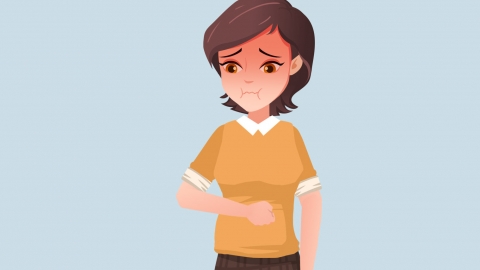
1. Improper Diet
Poor eating habits such as eating too quickly or overeating may cause large amounts of air to enter the gastrointestinal tract along with food, leading to gas accumulation in the gastrointestinal tract, causing a feeling of fullness and discomfort in the stomach, thus causing nausea and the urge to vomit. This usually does not require special treatment. In daily life, one should develop good eating habits, chew food slowly, control food intake, eat until about 70-80% full at each meal, and reduce intake of greasy foods.
2. Psychological Factors
When a person is under excessive stress, anxiety, or tension, dysfunction of the autonomic nervous system can affect the normal peristalsis of the gastrointestinal tract and secretion of digestive fluids. Slowed gastrointestinal peristalsis prolongs food retention in the stomach, increasing gastric pressure, which can easily lead to symptoms of nausea and vomiting. No treatment is required; in daily life, one should learn to regulate emotions, relieve stress by listening to music, exercising, or communicating with friends, and maintain a calm state of mind.
3. Acute Gastroenteritis
Acute gastroenteritis may be caused by bacterial, viral, or parasitic infections, or may be related to food poisoning. The inflammation causes congestion and edema of the gastrointestinal mucosa, thereby affecting digestion and absorption of food and triggering symptoms such as nausea and vomiting. It may also be accompanied by abdominal pain, diarrhea, fever, and other symptoms. Treatment may include Amoxicillin Capsules, Cefradine Capsules, and Montmorillonite Powder under a doctor's guidance.
4. Chronic Gastritis
Chronic gastritis may be related to Helicobacter pylori infection, irregular diet, long-term smoking and alcohol consumption, and other factors. Long-term inflammatory stimulation of the gastric mucosa leads to weakened digestive function, making nausea and vomiting after meals more likely. In addition, it may also be accompanied by upper abdominal pain, a feeling of fullness, acid reflux, and other symptoms. Treatment should follow medical advice and may include Omeprazole Enteric-coated Capsules, Hydrotalcid Chewable Tablets, Clarithromycin Capsules, and others.
5. Gastric Ulcer
This may be caused by Helicobacter pylori infection, excessive gastric acid secretion, damage to the gastric mucosal barrier, etc. The ulcerated area is irritated by food and gastric acid, causing pain and nausea. After meals, increased gastric acid secretion causes worsening symptoms. In addition, belching and a burning sensation in the upper abdomen may also occur. Treatment should follow a doctor's recommendations and may include Rabeprazole Sodium Enteric-coated Tablets, Colloidal Bismuth Pectin Capsules, Metronidazole Tablets, and others.
To prevent this symptom, it is recommended to maintain regular eating habits in daily life, avoid overeating or excessive dieting. At the same time, attention should be paid to food hygiene, avoiding consumption of expired, spoiled, or contaminated food.





