


How Pulmonary Fibrosis Affects Lung Function
May 21, 2025
Source: Cainiu Health

Dr. Ren Yi
Introduction
Pulmonary fibrosis affects lung function by restricting lung expansion, impairing oxygen diffusion capacity, disrupting the ventilation-perfusion ratio, reducing respiratory muscle efficiency, and increasing the risk of airway obstruction. Its pathophysiological mechanisms are closely related to parenchymal remodeling caused by collagen deposition. Pulmonary fibrosis causes the lung tissue to progressively lose elasticity, forming a "honeycomb lung" structure, leading to restrictive ventilatory dysfunction.
Pulmonary fibrosis affects lung function through multiple mechanisms including restricting lung expansion, impairing oxygen diffusion capacity, disrupting ventilation-perfusion matching, reducing respiratory muscle efficiency, and increasing the risk of airway obstruction. Its pathophysiological mechanism is closely related to interstitial lung remodeling caused by collagen deposition. If abnormalities occur, timely medical consultation is recommended. Detailed analysis is as follows:
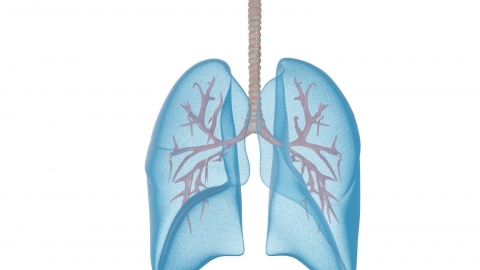
1. Restricted lung expansion: Pulmonary fibrosis causes progressive loss of lung elasticity and the formation of a "honeycomb lung" structure, leading to restrictive ventilatory dysfunction. Patients experience reduced vital capacity and forced vital capacity, often developing dyspnea during daily activities such as climbing stairs or brisk walking due to inadequate oxygen intake, significantly compromising quality of life.
2. Impaired oxygen diffusion capacity: Thickened alveolar septa create a diffusion barrier, reducing the efficiency of oxygen transfer from the alveoli into the bloodstream. Diffusing capacity for carbon monoxide (DLCO) testing often reveals moderate to severe reductions. Patients may develop hypoxemia even at rest, presenting with clinical signs such as cyanosis of the lips and clubbing of the fingers.
3. Disrupted ventilation-perfusion ratio: The vascular bed surrounding fibrotic lesions decreases, while blood flow remains relatively insufficient in normally ventilated areas, creating "dead space-like ventilation." This V/Q mismatch sharply reduces effective gas exchange surface area, potentially causing sudden severe hypoxemia during sleep or when lying down due to altered blood flow distribution.
4. Reduced respiratory muscle efficiency: The diaphragm and intercostal muscles undergo myofiber atrophy due to chronic overuse, increasing the work of breathing. Patients develop tachypnea with reduced tidal volume, adopting a shallow and rapid breathing pattern, which may ultimately progress to chronic respiratory failure requiring mechanical ventilation.
5. Increased risk of airway obstruction: Inflammatory changes in small airways, mucus plugging, and traction bronchiectasis may occur during the fibrotic process, leading to mixed ventilatory dysfunction. In addition to restrictive ventilatory dysfunction, patients may also exhibit a decreased FEV1/FVC ratio, indicating the presence of obstructive components.
Maintaining a healthy lifestyle, improving dietary habits, engaging in appropriate physical exercise, enhancing physical fitness, and reducing susceptibility to disease are important in daily life.



