


Can mung beans and lychees be eaten together?
Jun 13, 2025
Source: Cainiu Health

Dr. Yu Yongchao
Introduction
Under normal circumstances, mung beans and lychees can be consumed together, but moderation is advised. Lychee is a high-sugar fruit with a warm nature, and excessive consumption may cause heatiness symptoms such as dry mouth, sore throat, and so on, especially in individuals with a naturally hot constitution or those suffering from diabetes. Secondly, mung beans are cold in nature, and excessive intake may lead to diarrhea or coldness of the spleen and stomach, particularly in individuals with weak spleen and stomach function.
Generally speaking, mung beans and lychees can be consumed together, but moderation is advised. Detailed analysis is as follows:
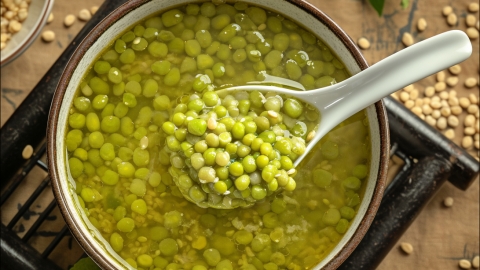
Mung beans are rich in protein, dietary fiber, vitamin B complex, beta-carotene, and various minerals such as potassium and magnesium. They have effects including clearing heat and detoxifying the body, relieving summer heat, quenching thirst, promoting diuresis, and reducing edema. Lychees contain abundant free amino acids, protein, dietary fiber, citric acid, glucose, and other nutrients. They help enhance physical stamina, replenish energy, and stimulate appetite. Nutritionally, mung beans and lychees complement each other to some extent, and consuming them together can improve overall nutritional value and enhance flavor.
Lychees are high-sugar fruits with a warm nature, excessive consumption of which may cause heatiness symptoms such as dry mouth, sore throat, and other discomforts, especially for individuals with a naturally "hot" body constitution or those suffering from diabetes. Additionally, mung beans have a cold nature, and overconsumption may lead to diarrhea or coldness of the spleen and stomach, particularly for individuals with weak digestive systems. Therefore, for individuals with either a cold or hot body constitution, eating large quantities of both foods simultaneously might exacerbate internal imbalances of yin and yang, causing discomfort. Thus, it is important to consume these foods in moderation.






