


Can patients with hepatitis B eat lychee?
Jun 13, 2025
Source: Cainiu Health

Dr. Yang Ziqi
Introduction
For hepatitis B patients with normal liver function and stable condition, moderate consumption of lychee can help replenish nutrients. Lychee is rich in vitamin C, glucose, and trace elements, which can enhance immunity and assist in liver cell repair. These patients generally have normal liver metabolic function, and limited lychee consumption will not increase the burden on the liver, while also providing energy to help maintain overall physical condition.
Patients with hepatitis B and normal liver function as well as stable blood sugar levels may consume lychee in moderation. However, those with abnormal liver function, significant blood sugar fluctuations, or who are in an active disease phase should avoid eating lychee. If any abnormalities occur, prompt medical attention is advised. Detailed explanations are as follows:
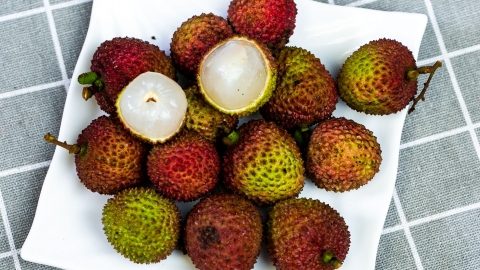
For hepatitis B patients with normal liver function and stable condition, moderate lychee consumption can provide nutritional benefits. Lychee is rich in vitamin C, glucose, and trace elements, which can enhance immunity and support liver cell repair. These patients generally have normal liver metabolic function, so small amounts of lychee will not significantly burden the liver and can provide energy to help maintain overall health.
During the active phase of hepatitis B, when symptoms such as jaundice and ascites occur, liver metabolic capacity declines, and the high sugar content in lychee may further burden the liver. Patients with hepatitis B who also have diabetes may experience uncontrolled blood sugar levels after consuming lychee, which can worsen their condition. Additionally, hepatitis B patients with poor gastrointestinal function may experience bloating and indigestion after eating lychee. In severe cases of hepatitis B, the liver's ability to metabolize sugar is weakened, and excessive lychee consumption increases the risk of metabolic disturbances.
Hepatitis B patients who have normal liver function should consume no more than eight lychees at a time and avoid eating them on an empty stomach. If patients are in an active disease phase, have abnormal blood sugar levels, or experience gastrointestinal discomfort, they should stop eating lychee immediately and consult a doctor to adjust their diet accordingly, following professional medical guidance.





